









Pool Parts: Replacement Components for Intex, Hayward, Pentair, Polaris & More
Pool parts wear out—it's that simple. Whether you're maintaining a residential above-ground pool that the kids use every summer afternoon or operating a commercial aquatic facility with hundreds of visitors daily, every pump seal, filter cartridge, skimmer basket, and return fitting has a finite service life. The challenge for pool owners isn't whether parts will fail but knowing which replacement to buy, where to find it at a fair price, and how to install it without turning a simple repair into a weekend project. At iFJF Direct, we've built our pool parts inventory around one principle: direct access to factory-quality replacement components for the most popular pool equipment brands without the dealer markup that makes pool maintenance feel like a luxury expense.
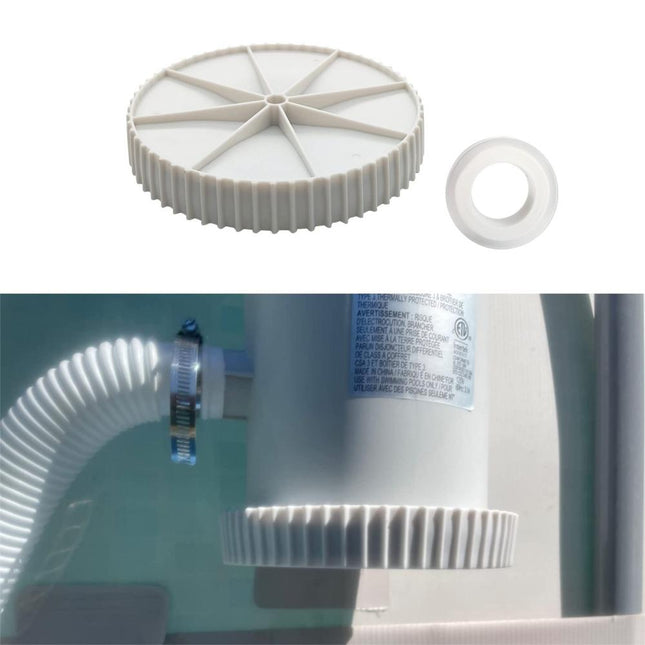
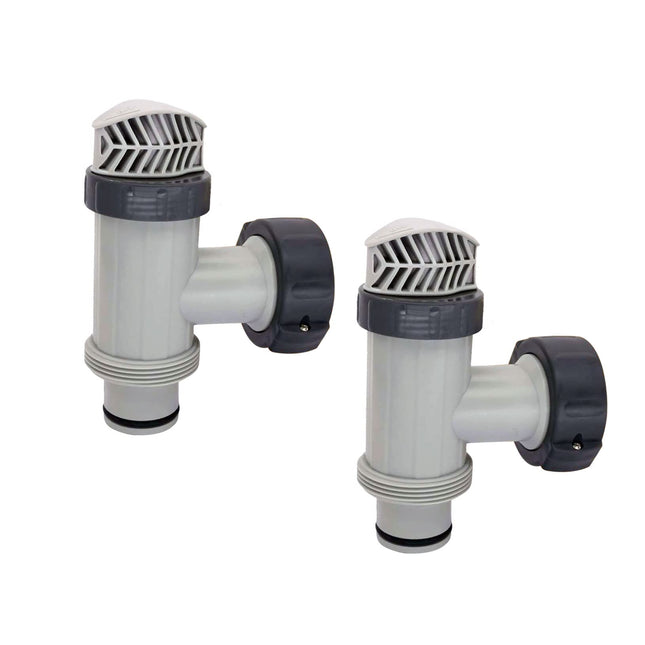
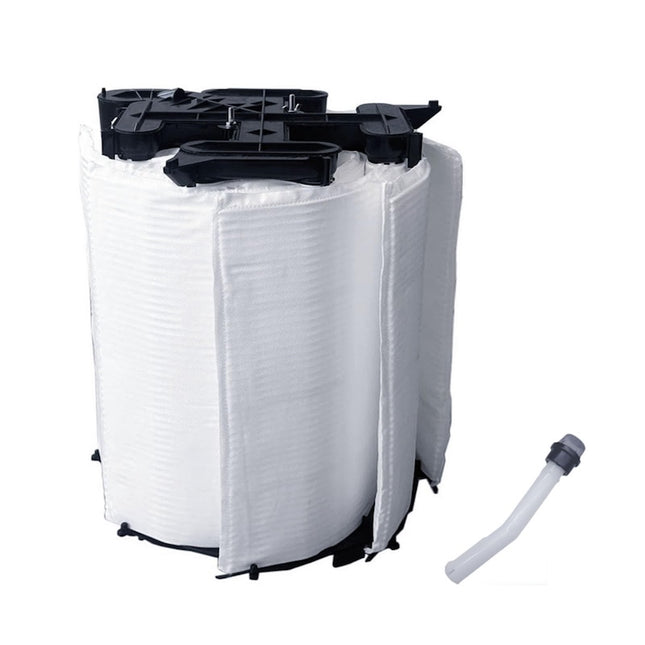
Our catalog spans everything a pool owner or service professional needs to keep water circulating, filtered, heated, and clean. We stock replacement pump impellers, diffusers, seal kits, and motor brackets for Hayward Super Pump, Pentair SuperFlo, and Intex filter pump systems. Filter components include replacement cartridges for Intex Type A and Type B systems, Hayward swimclear grids, and Pentair Clean & Clear filter elements. For automatic pool cleaners, we carry Polaris replacement bags, tires, drive belts, and feed hoses that restore your cleaner to like-new performance for a fraction of the cost of a new unit. Every part is sourced directly from manufacturers and priced for value—whether you need a single O-ring to stop a slow leak or a bulk order of replacement cartridges for a property management company's portfolio of pools. We understand that when your pool is down, you want the right part on your doorstep fast, not a conversation about "upgrading to a whole new system."
Why Quality Pool Parts Matter for Your Swimming Pool
Using the correct replacement parts—not generic "universal fit" substitutes—makes the difference between a repair that lasts for seasons and one that fails again before summer ends:
- Pump Efficiency and Energy Costs: A worn impeller with eroded vanes or a pump seal that's sucking air reduces hydraulic efficiency dramatically. Your pump runs longer to achieve the same turnover rate, and your electricity bill reflects every wasted watt. A genuine replacement impeller matched to your pump's horsepower rating restores original flow rates and minimizes energy consumption. Over a single swimming season, the energy savings from a properly matched impeller can exceed the cost of the part itself.
- Water Quality and Filtration Performance: A torn filter cartridge, cracked manifold, or clogged laterals allow debris to bypass filtration entirely. Your water turns cloudy, your sanitizer consumption spikes, and you're fighting algae blooms that a properly functioning filter would prevent. Replacing filter elements on schedule—before visible deterioration—maintains the filtration efficiency your pool chemistry depends on.
- Equipment Longevity: A leaking pump shaft seal doesn't just waste water—it allows water to migrate along the motor shaft into the front bearing. Within weeks, the bearing rusts, seizes, and destroys the motor. A $15 seal kit replaced at the first sign of a drip prevents a $300+ motor replacement. This cascading failure pattern repeats across pool equipment: a worn Polaris drive belt stresses the drive train; a cracked multiport valve gasket allows unfiltered water to return to the pool; a clogged skimmer weir starves the pump of water, causing cavitation damage to the impeller. The lesson is universal: small parts failures escalate to expensive equipment failures if ignored.
- Safety and Code Compliance: Pool drain covers, suction fittings, and anti-entrapment devices have specific service lives and must meet ANSI/APSP standards. Using correct, certified replacement components isn't optional—it's a legal requirement for commercial pools and a critical safety measure for residential pools. Never substitute a generic fitting for a certified anti-entrapment drain cover.
- Seasonal Readiness: Nothing derails a pool opening faster than discovering that a critical part failed over the winter. Pre-season inspection and proactive parts replacement—checking pump seals, filter cartridges, skimmer baskets, and cleaner components in early spring—ensures your pool is swim-ready on day one of warm weather, not waiting a week for parts to arrive.
Common Problems & Warning Signs
Learning to recognize the early signs of parts failure lets you order replacements before a minor issue becomes a major headache:
- Air Bubbles in the Pump Basket or Return Jets: A constant stream of small bubbles in the pump strainer lid or bubbling from return jets indicates a suction-side air leak. Common causes: a dried-out pump lid O-ring, a cracked union fitting, or a failing shaft seal. The pump is pulling air instead of water, reducing flow and risking cavitation damage.
- Water Leaking from Under the Pump: A drip or puddle under the pump housing is almost always a failed shaft seal. On Hayward and Pentair pumps, this is a straightforward DIY repair requiring a seal kit, basic hand tools, and about 30 minutes. Ignoring it allows water into the motor bearing, which will destroy the motor.
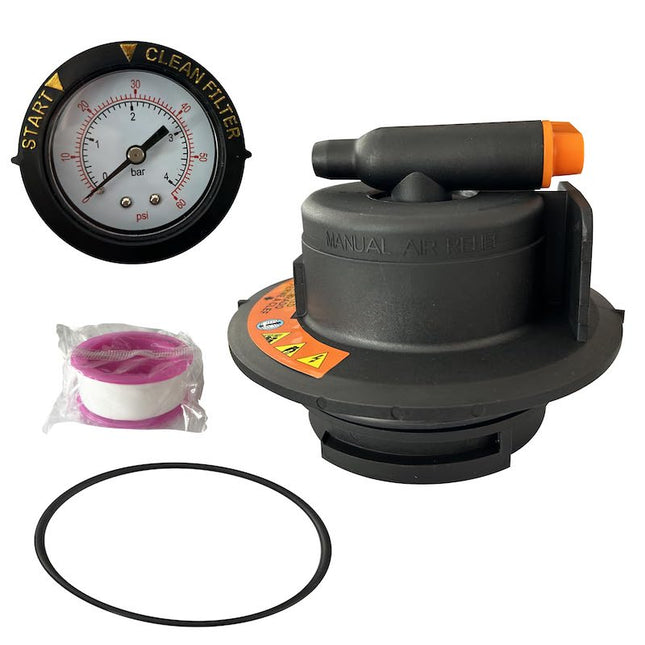
- Filter Pressure Gauge Reading Abnormal: A pressure reading 8-10 PSI above the clean-filter baseline means the filter element is loaded with debris and needs cleaning or replacement. A reading significantly below normal may indicate a bypass situation—water finding a path around a torn cartridge, cracked manifold, or failed internal air relief screen.
- Short Filter Cycles: If you're cleaning your filter cartridge every few days and it's loading up rapidly, the cartridge media may be worn or damaged. Over time, filter fabric loses its ability to release debris during cleaning. When a thorough hosing doesn't restore the pressure to near-clean levels, the cartridge has reached the end of its service life.
- Polaris Cleaner Moving Slowly or Not at All: Common causes include a worn drive belt that's slipping, flat tires that reduce traction, a clogged in-line filter screen, or a backup valve that's stuck in one position. These are all simple replacement-part fixes that cost $20-$50 versus $500+ for a new cleaner.
- Skimmer Not Skimming (Floating Debris Accumulating): The skimmer weir door may be stuck, broken, or missing. This $10 part is critical to proper surface skimming—without it, water flows in from below the surface and floating debris passes right by the skimmer opening.
- Multiport Valve Leaking at the Handle or Waste Port: The spider gasket inside the valve head has worn flat spots or developed cracks. When this gasket fails, water leaks between ports internally—you may see clean water trickling from the waste line in filter mode, or experience difficulty maintaining prime after backwashing.
How to Choose the Right Pool Replacement Part
Ordering the correct replacement part on the first try saves time, money, and frustration. Follow this systematic approach:
- Identify Your Equipment Model Number: Every pool pump, filter, heater, and cleaner has a model number on its data plate or label. For pumps, look on the motor nameplate or the pump housing. For filters, check the tank label or the top of the filter head. For Polaris cleaners, the model number is on the body. Never order parts based on "it looks like mine"—visually similar parts from different model years or horsepower ratings are often not interchangeable.
- Match the Part Number, Not Just the Description: Pool equipment manufacturers revise parts frequently. A "Super Pump seal kit" comes in multiple versions depending on the pump's vintage, horsepower, and whether it's a single-speed or variable-speed model. Use the exact part number from your equipment manual or the manufacturer's parts diagram to ensure compatibility.
- Understand Your Filter Type: Cartridge filters use pleated fabric elements that are replaced entirely. DE (diatomaceous earth) filters use fabric-covered grids that are cleaned and recoated with DE powder—grids are replaced individually when torn. Sand filters use a sand bed with internal laterals that are replaced when cracked. Using the wrong replacement media (e.g., a cartridge in a DE filter) doesn't work and can damage equipment.
- Check Horsepower and Frame Type for Pump Parts: A 1.5 HP Hayward Super Pump uses a different impeller and seal kit than a 2.0 HP version. Square-flange and round-flange motor frames require different seal plates and motor brackets. Always verify horsepower, service factor (SF), and frame type before ordering pump replacement parts.
- OEM vs. Aftermarket: OEM parts are made by or for the original equipment manufacturer and guarantee fit and performance. Quality aftermarket parts from reputable suppliers often match OEM specifications at 30-50% lower cost. At iFJF Direct, we carry both options and clearly label each so you can make an informed decision. For critical safety components (drain covers, suction fittings), always use certified parts that meet current ANSI/APSP standards.
- Buy Common Wear Items in Advance: Pump seal kits, filter cartridge O-rings, skimmer weir doors, and Polaris cleaner bags are predictable wear items. Keeping spares on hand means you're never waiting for a part to arrive while your pool sits stagnant. A small spare-parts stock is cheap insurance against downtime during peak swim season.
Maintenance Tips & Replacement Schedule
| Pool Component | Replacement Interval | Inspection Frequency |
|---|---|---|
| Filter Cartridge (residential) | Every 2-3 years | Monthly (clean as needed; replace when pressure won't drop after cleaning) |
| Filter Cartridge (commercial) | Every 6-12 months | Weekly (heavy bather load accelerates wear) |
| Pump Shaft Seal | Every 3-5 years or at first sign of drip | Monthly visual check for water under pump |
| Pump Lid O-Ring / Gasket | Annually | Every filter cleaning—replace if cracked, flattened, or leaking air |
| DE Filter Grids (set) | Every 5-7 years | Annually during filter teardown and cleaning |
| Sand Filter Sand | Every 5-7 years | Annually—deep clean or replace when channeling occurs |
| Sand Filter Laterals | Inspect when changing sand | Replace any with visible cracks or breaks |
| Multiport Valve Spider Gasket | Every 3-5 years | Annually or if leaking internally between ports |
| Skimmer Weir Door | As needed (2-5 years) | Monthly—replace if stuck, broken, or missing |
| Polaris Cleaner Bag | Annually or when torn | Every use—empty after each cycle, replace if holes or seam tears |
| Polaris Drive Belt / Tires | Every 2-3 seasons | Monthly—replace when slipping, flat-spotted, or losing tread |
| Pool Drain Cover (anti-entrapment) | Per manufacturer (typically 5-7 years) | Annually—check for cracks, fading, or missing fasteners |
Best practices for pool part maintenance:
- Keep a maintenance log recording the date and part number of every replacement. When a pump seal fails after three years, you'll know whether it's premature or on schedule.
- Take photos of your equipment data plates now, while they're still legible. Store the photos on your phone so you always have model numbers, serial numbers, and specifications accessible when ordering parts.
- Clean filter cartridges with a garden hose and a filter-cleaning spray—never use a pressure washer, which tears the filter fabric and permanently reduces filtration efficiency.
- When replacing a pump shaft seal, replace the ceramic seat, the spring-loaded carbon face, and all O-rings as a complete set. Never mix old and new seal components—even a microscopic imperfection on the mating faces will leak.
- Lubricate all O-rings and gaskets with silicone-based pool lubricant during installation. Never use petroleum-based lubricants (Vaseline, WD-40), which cause rubber components to swell and deteriorate.
Browse More Pool & Equipment Parts
Your pool is a system, and every component depends on the others. Explore our full range of pool maintenance products:
- Pool Pumps & Motors — Energy-efficient replacement pumps and motors from Hayward, Pentair, and Intex, including variable-speed upgrades that pay for themselves in energy savings.
- Pool Filters — Complete filter systems and replacement elements for cartridge, DE, and sand filtration setups. Find the right filter capacity for your pool's gallonage.
- Pool Cleaners — Automatic pool cleaners, replacement parts, hoses, and accessories for Polaris, Hayward, and Pentair robotic and pressure-side cleaners.
- Pool Chemicals & Water Treatment — Chlorine tablets, shock treatments, algaecides, pH balancers, and specialty chemicals to maintain crystal-clear, safe swimming water.
- Pool Plumbing & Fittings — PVC pipe, fittings, valves, unions, and adapters for pool plumbing repairs and equipment installations.
Frequently Asked Questions
How do I know which replacement cartridge fits my pool filter?
Start by locating the model number on your filter tank—it's typically printed on a label on the side or top of the filter body. Common residential filter models include Hayward C1200, C1750, and SwimClear series; Pentair Clean & Clear and Clean & Clear Plus; and Intex Type A or Type B cartridge filter pumps. Once you have the model number, cross-reference it with the manufacturer's replacement cartridge part number. At iFJF Direct, you can search our inventory by either your filter model or the OEM cartridge part number. If the label is unreadable, measure your existing cartridge: outside diameter, inside diameter (if applicable), overall length, and end cap configuration (open center hole, closed flat end, threaded). With these measurements, we can identify a compatible replacement. For the most accurate fit, always bring your old cartridge when shopping locally, or measure carefully before ordering online.
Why is water leaking from under my pool pump?
A leak from under the pump housing is the classic symptom of a failed shaft seal—the most common pool pump failure. The shaft seal consists of two precision mating surfaces (a ceramic stationary seat and a carbon rotating face) pressed together by a spring. It prevents water from escaping around the motor shaft where it enters the pump housing. Over time, the seal faces wear, collect debris, or develop thermal cracks from running dry. When the seal fails, water drips out under the pump, migrates along the motor shaft, and eventually destroys the front motor bearing. The fix is a pump seal replacement kit specific to your pump model. The repair involves removing the pump housing from the motor, pulling the impeller, pressing out the old seal components, installing the new seal (without touching the mating faces with bare fingers—skin oil causes hot spots), reassembling, and testing. Most DIY pool owners can complete this repair in 30-60 minutes. If water has been leaking for weeks, inspect the motor bearing for noise or roughness—a damaged bearing may need motor shop service or motor replacement.
How often should I replace my pool filter cartridge?
A quality residential pool filter cartridge typically lasts 2-3 years with proper maintenance. Several factors influence replacement timing: (1) Bather load—a pool used daily by a family of five loads the cartridge faster than a vacation-rental pool used monthly. (2) Environmental debris—pools near trees, in windy areas, or with frequent dust storms expose the cartridge to more particulate loading. (3) Cleaning technique—aggressive pressure washing or using harsh chemical cleaners damages filter fabric and shortens cartridge life. The definitive test is the pressure gauge: after thoroughly cleaning the cartridge, note the pressure with the pump running. This is your "clean baseline." When the cartridge can't be cleaned back to within 3-5 PSI of that baseline, or when cleaning frequency increases to every few days, the filter media has reached the end of its service life. Trying to extend cartridge life beyond this point results in poor water clarity, increased sanitizer consumption, algae problems, and excessive pump runtime—all of which cost far more than a new cartridge.
Can I use aftermarket parts on my Hayward or Pentair equipment?
Yes, aftermarket replacement parts can offer significant savings without compromising performance—when sourced from a reputable supplier. The key is understanding which parts are safe to substitute and which warrant OEM. For routine wear items—pump seals, O-rings, filter cartridges, skimmer weirs, Polaris bags and tires—quality aftermarket parts that match OEM specifications perform equivalently and typically cost 30-50% less. For critical components—impellers (which must match exact hydraulic specifications), control boards and electronics, safety-related components like drain covers—OEM parts eliminate any risk of subtle incompatibility. At iFJF Direct, we clearly identify whether each part is OEM or aftermarket, provide detailed specifications and dimensions, and stand behind everything we sell. If you're ever uncertain about compatibility, our team can verify fitment before you order. The single most important rule: never substitute a safety-related component (drain covers, suction fittings, GFCI devices) with anything other than the manufacturer-specified, certified replacement.