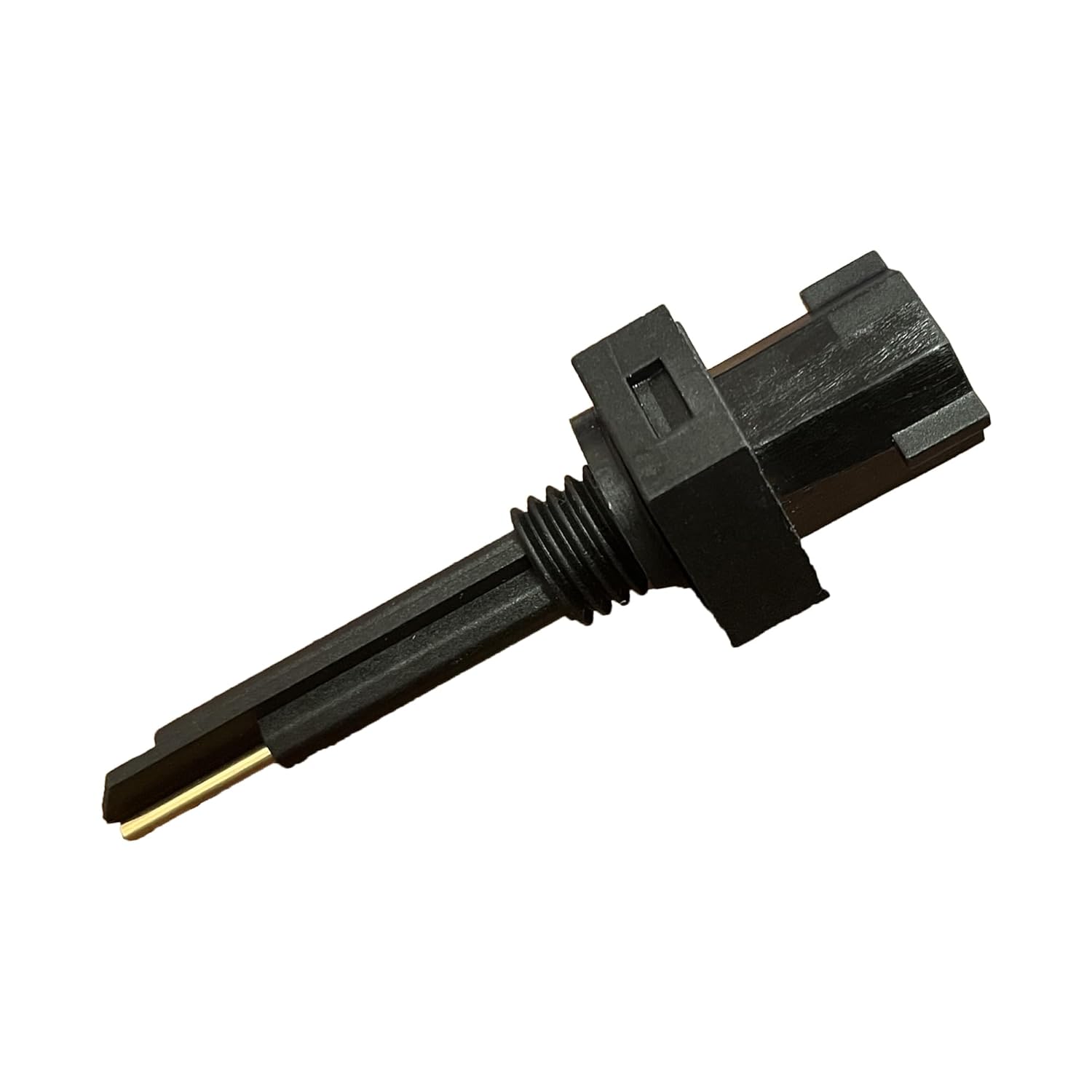
Description
Monitor Your Diesel Fuel Quality with iFJF Water in Fuel Sensor
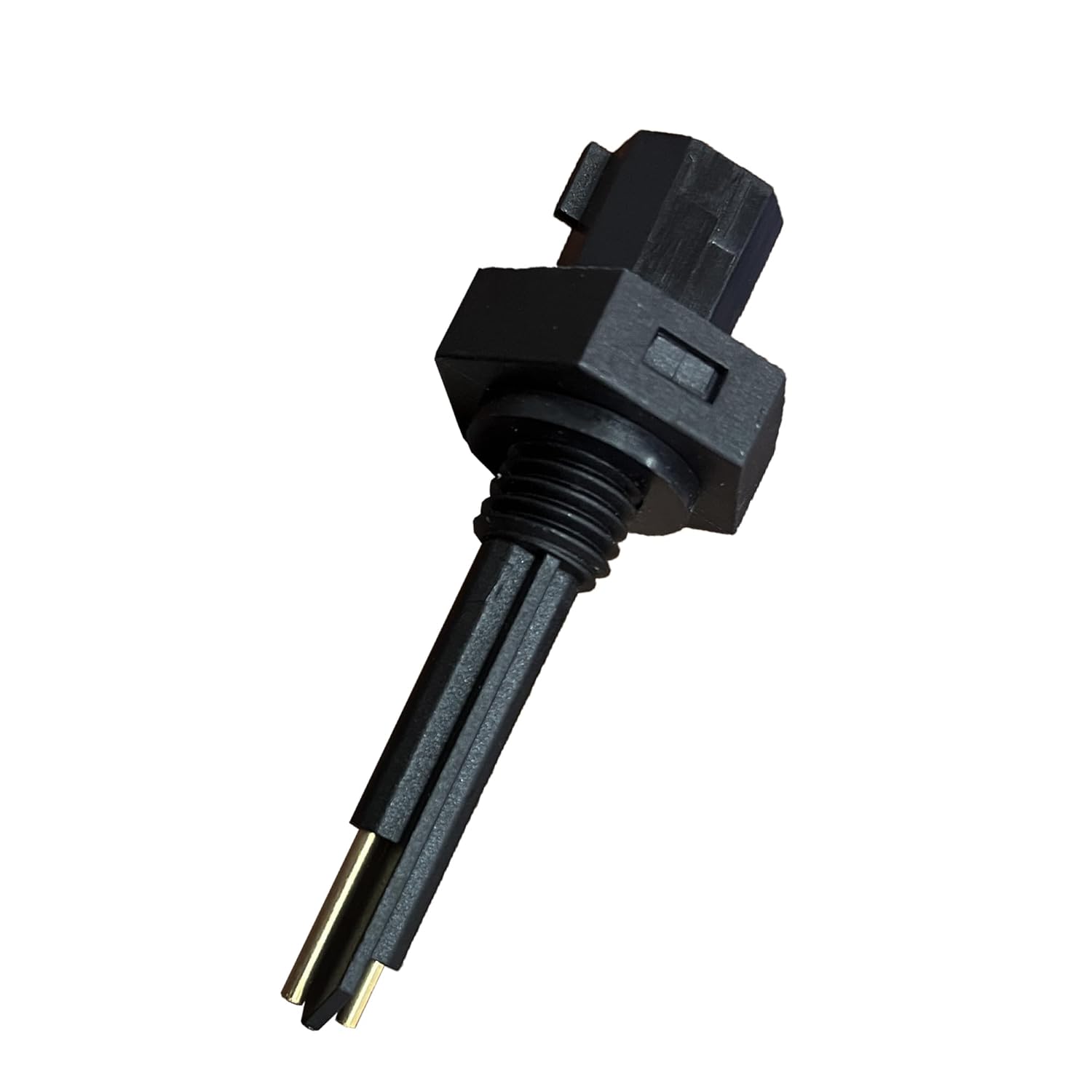
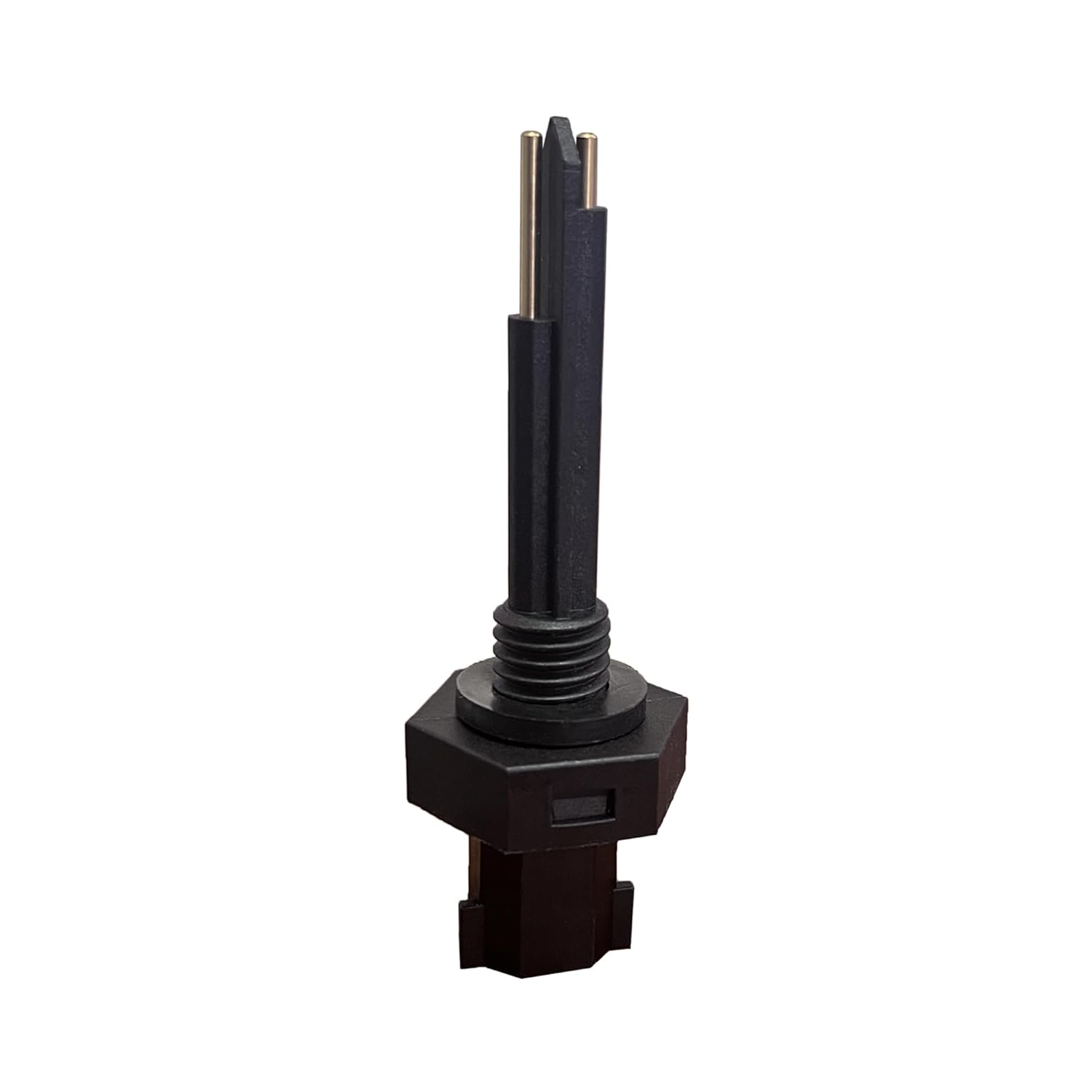
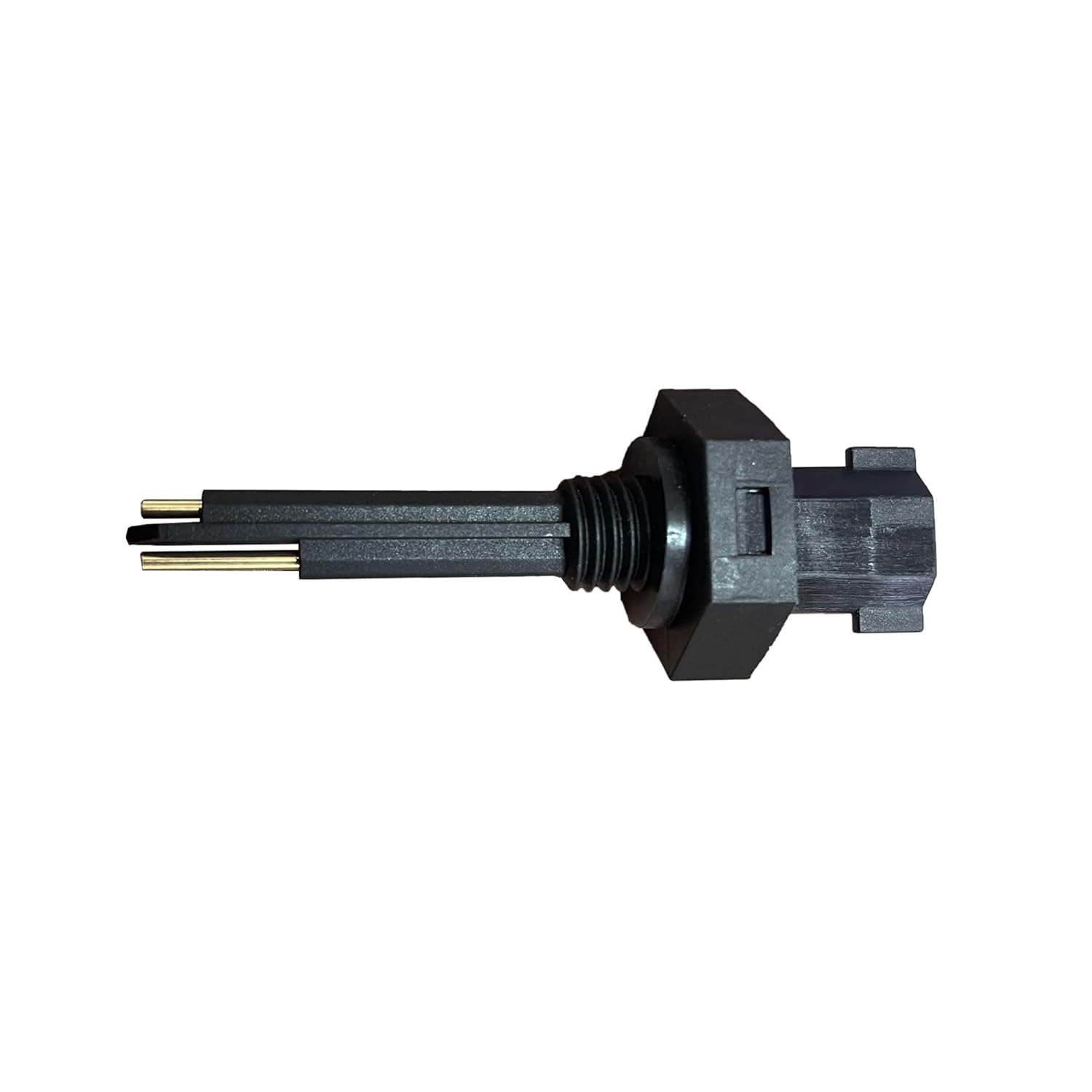
Water contamination in diesel fuel is a silent engine killer. Without a functioning water-in-fuel (WiF) sensor, you may not know that water has accumulated in your fuel system until expensive injector or pump damage has already occurred. The iFJF 904-438 Water in Fuel Sensor is a direct OEM-spec replacement that restores your vehicle's ability to detect water in the fuel supply and alert you through the dashboard warning light before damage happens.
This sensor is compatible with 2011-2016 F-250, F-350, F-450, and F-550 Super Duty trucks equipped with the 6.7L Power Stroke diesel engine. It replaces part numbers 904-438, OEM BC3Z-9T321-A, and BC3Z9T321B. Made of premium materials that are extensively tested and durable, each package includes 1 water in fuel sensor.
Important: The Water in Fuel sensor lets the Engine Control Unit (ECU) and/or dashboard lamp indicator know when water detection has occurred in the vehicle's fuel supply, helping you avoid extensive damage to the fuel system. If your "Water in Fuel" warning light stays on or fails to illuminate during self-test, your sensor may need replacement.
Key Features
-
Exact OEM Replacement: Manufactured to match the fit, form, and function of the Ford factory sensor. Replaces part number 904-438 and OEM numbers BC3Z-9T321-A and BC3Z9T321B without modifications.
-
Critical ECU Communication: Lets the Engine Control Unit (ECU) and/or dashboard lamp indicator know when water detection has occurred in the vehicle's fuel supply to avoid extensive damage to the fuel system. Triggers the "Water in Fuel" warning light on your instrument cluster.
-
Premium Quality Construction: Made of premium materials that are extensively tested for durability and reliability. Resistant to diesel fuel, biodiesel blends, and under-hood environmental conditions.
-
Accurate Water Detection: Uses precision conductivity sensing to detect even small amounts of accumulated water at the bottom of the fuel filter housing where water naturally settles.
-
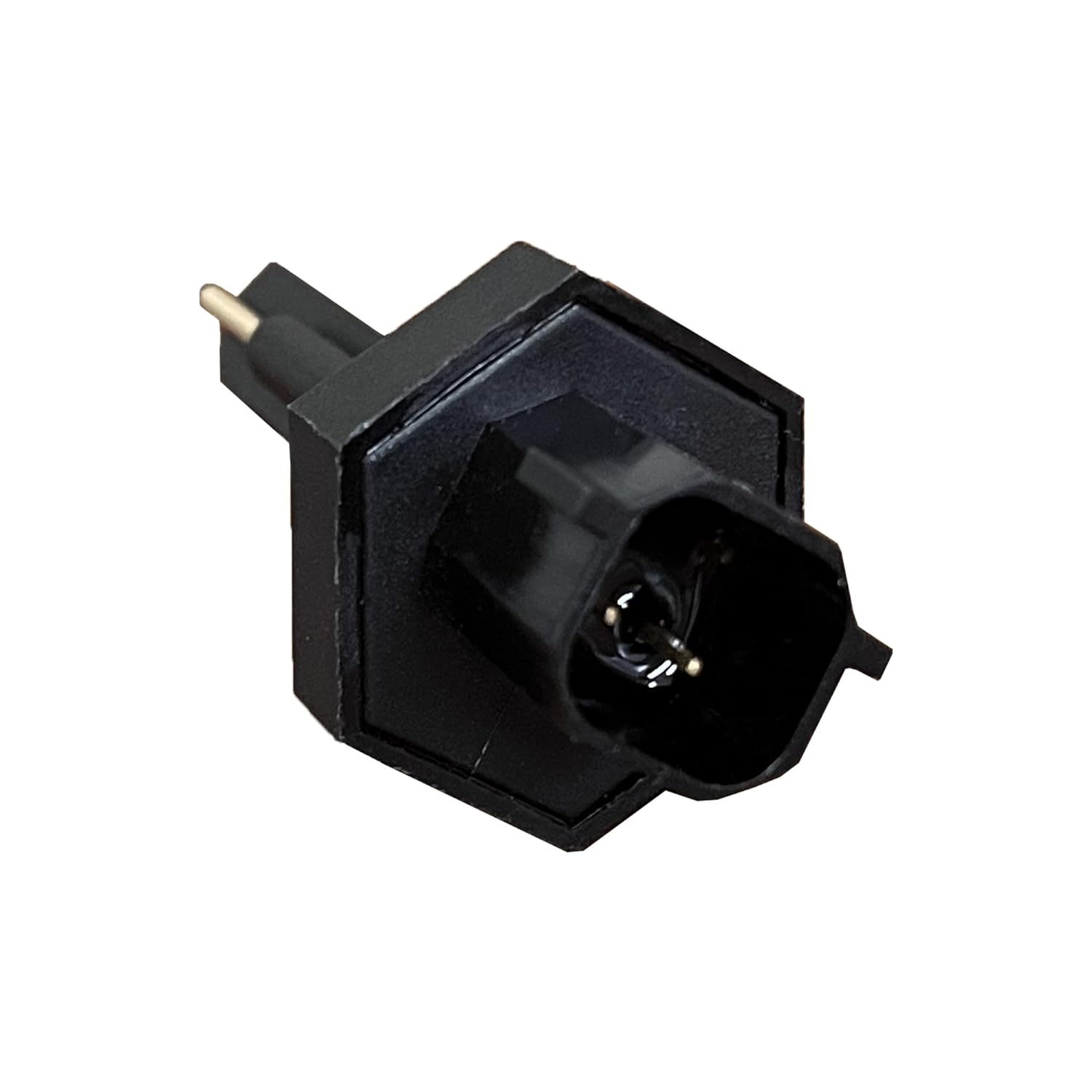
Plug-and-Play Installation: Direct drop-in replacement for the factory sensor. Plugs into the existing wiring harness connector without splicing or modification.
-
Prevents Costly Repairs: Early warning of water contamination helps you drain the separator before water reaches the high-pressure fuel pump and injectors—saving thousands in potential repair costs.
Technical Specifications
| Specification |
Detail |
| Product Type |
Water in Fuel (WiF) Sensor |
| Part Number |
904-438 |
| OEM Numbers |
BC3Z-9T321-A, BC3Z9T321B |
| Material |
Premium-Grade Materials, Extensively Tested |
| Package Contents |
1 x Water in Fuel Sensor |
| Brand |
iFJF |
Vehicle Compatibility
| Year |
Make |
Model |
Engine |
| 2011 – 2016 |
Ford |
F-250 Super Duty |
6.7L Power Stroke Diesel |
| 2011 – 2016 |
Ford |
F-350 Super Duty |
6.7L Power Stroke Diesel |
| 2011 – 2016 |
Ford |
F-450 Super Duty |
6.7L Power Stroke Diesel |
| 2011 – 2016 |
Ford |
F-550 Super Duty |
6.7L Power Stroke Diesel |
Compatible with 2011-2016 Ford Super Duty trucks equipped with the 6.7L Power Stroke diesel engine. Verifies water detection in the primary fuel filter/water separator housing located on the frame rail under the driver's side. Always confirm your existing sensor part number before ordering.
When to Replace Your WiF Sensor
-
Constant Warning Light: The "Water in Fuel" light stays illuminated even after draining the separator and verifying fuel quality.
-
No Self-Test: The warning light does not illuminate briefly during the key-on bulb check, indicating a faulty sensor or circuit.
-
Intermittent Alerts: The warning light flickers or triggers randomly despite no water being present in the fuel system.
-
Corrosion or Damage: Physical inspection reveals corrosion on the sensor probe, cracked housing, or damaged wiring connector.
-
Preventative Maintenance: As part of a fuel system service when replacing the fuel filter and draining the water separator.
Installation Tips
- Locate the fuel/water separator housing on the driver's side frame rail under the vehicle.
- Place a drain pan beneath the housing to catch any spilled fuel.
- Disconnect the electrical connector from the existing sensor by pressing the release tab.
- Unscrew and remove the old sensor from the bottom of the filter housing.
- Inspect the O-ring sealing surface on the housing for debris or damage; clean if necessary.
- Thread the new iFJF 904-438 sensor into the housing by hand to avoid cross-threading, then snug it gently—do not overtighten.
- Reconnect the electrical connector until it clicks into place.
- Turn the ignition to the ON position (without starting) and verify the "Water in Fuel" light briefly illuminates during the self-test.
Frequently Asked Questions
Why does my "Water in Fuel" light stay on even after draining the separator?
If the light remains on after properly draining the water separator and confirming the fuel is clean, the sensor itself is likely faulty. The sensor probe may be coated with contaminants, corroded, or the internal electronics may have failed. Replacing the sensor with the iFJF 904-438 should resolve the issue.
Will this fit my 2013 Ford F-350 6.7L Power Stroke?
Yes, this sensor is a direct fit for all 2011-2016 Ford F-250, F-350, F-450, and F-550 Super Duty trucks equipped with the 6.7L Power Stroke diesel engine. It replaces Ford part numbers BC3Z-9T321-A and BC3Z9T321B.
Can I drive with the Water in Fuel light on?
It is not recommended. While the sensor itself being faulty does not immediately damage the engine, the light may also indicate actual water in your fuel system. Driving with water-contaminated fuel can destroy high-pressure injectors and the CP4 fuel pump—repairs exceeding $8,000-$12,000. Always drain the separator first; if the light persists, replace the sensor.
How often should I drain the water separator?
Ford recommends draining the diesel fuel conditioner module (DFCM) water separator monthly or at every oil change interval. More frequent draining is advisable if you fuel up at high-turnover stations in humid regions or use biodiesel blends, which tend to hold more suspended water.