



Cabin Air Filters: Clean Air for Your Truck's Interior
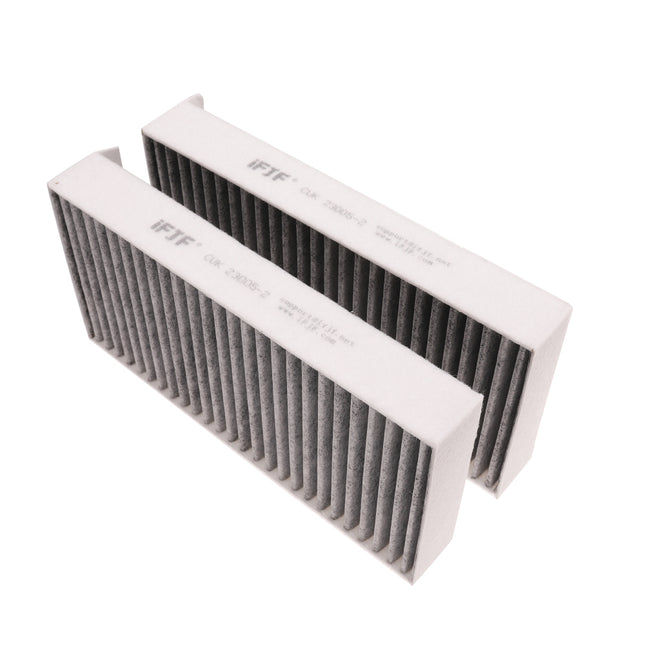
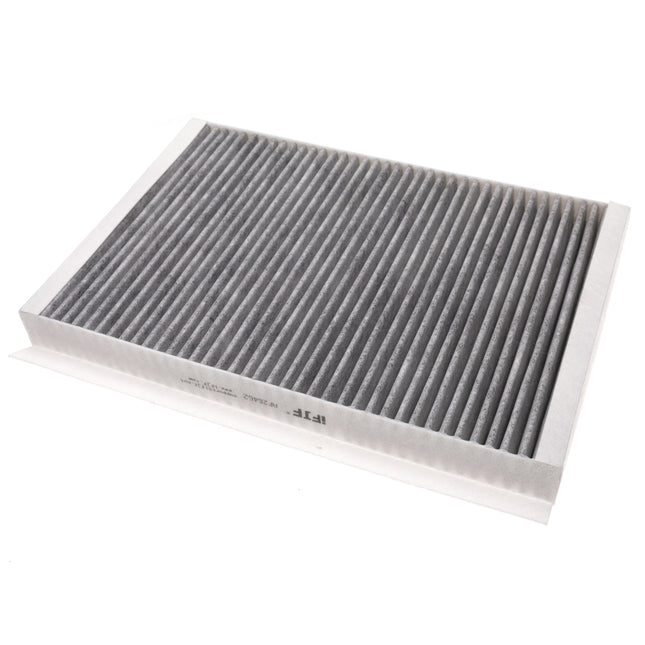
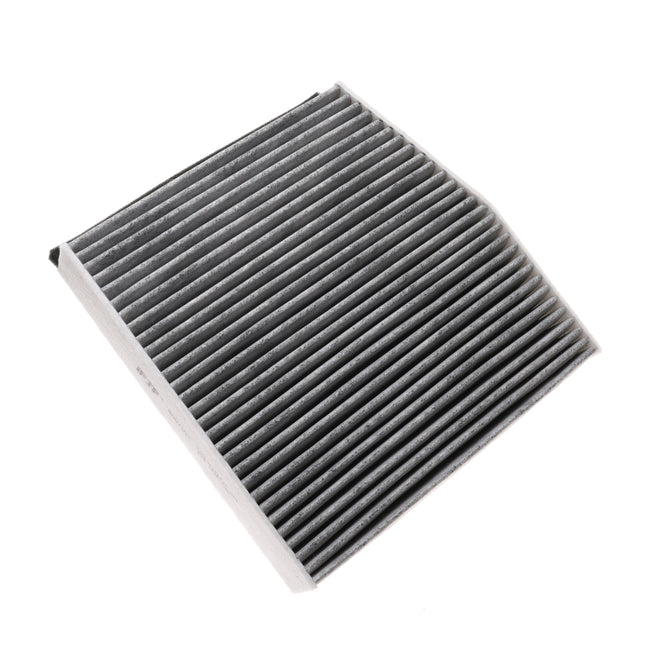
Your diesel truck's cabin air filter is responsible for every breath you take behind the wheel — yet it's the most commonly overlooked maintenance item on any vehicle. A clogged cabin filter doesn't just reduce airflow through your vents; it becomes a breeding ground for mold, bacteria, and allergens that circulate through your HVAC system every time you run the fan. iFJF Direct stocks OEM-spec cabin air filters for Ford, Ram, and GM heavy-duty trucks.
Why Your Cabin Air Filter Matters
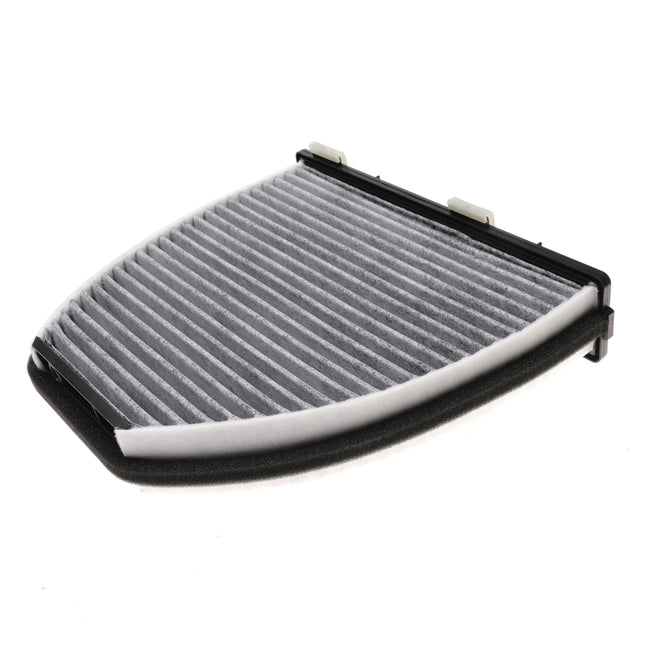
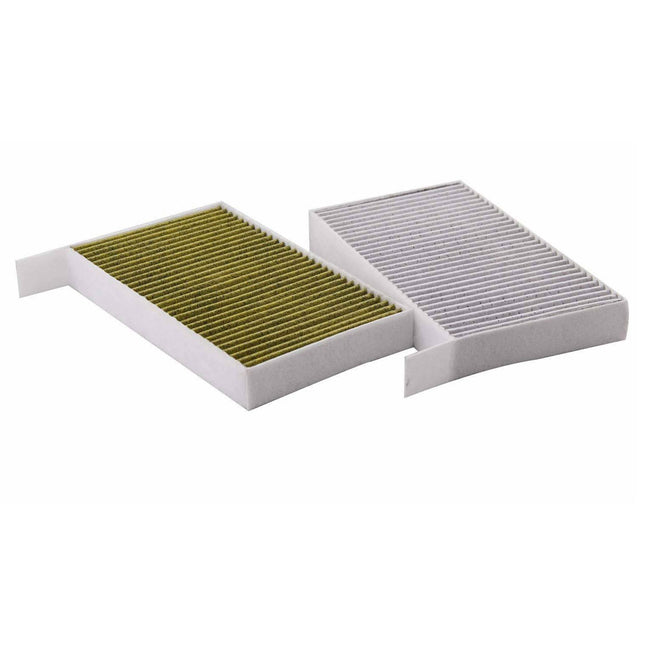
Air Quality: A high-quality cabin air filter traps 99% of airborne particulates including pollen (seasonal allergy trigger), dust (especially important on gravel roads and job sites), diesel soot (from your own truck and others), mold spores, and bacteria. For diesel truck owners who spend hours behind the wheel — whether commuting, towing cross-country, or working on-site — cabin air quality directly impacts driver alertness and comfort.
HVAC System Performance: A restricted cabin air filter reduces airflow through the evaporator and heater cores. This manifests as weak airflow from the dash vents even at the highest fan speed setting and reduced AC cooling performance and defroster effectiveness. In extreme cases, a completely plugged filter can cause the blower motor resistor to overheat, leading to a loss of fan speed control and eventual blower motor failure.
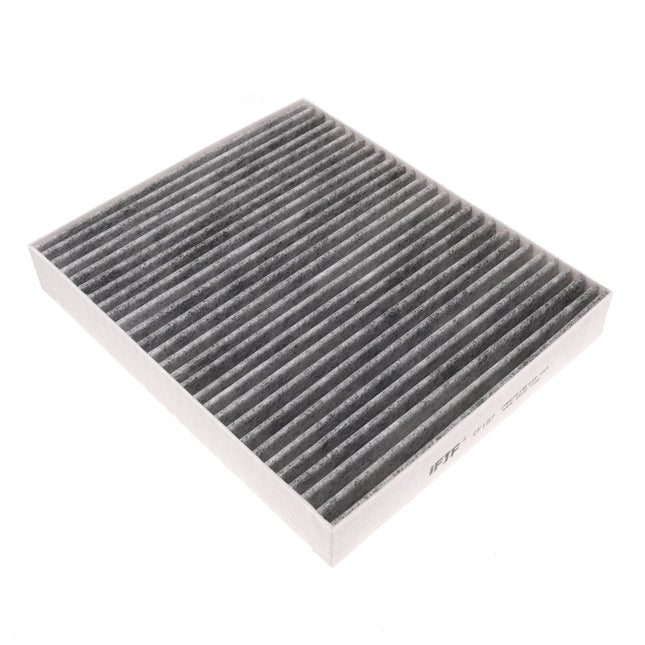
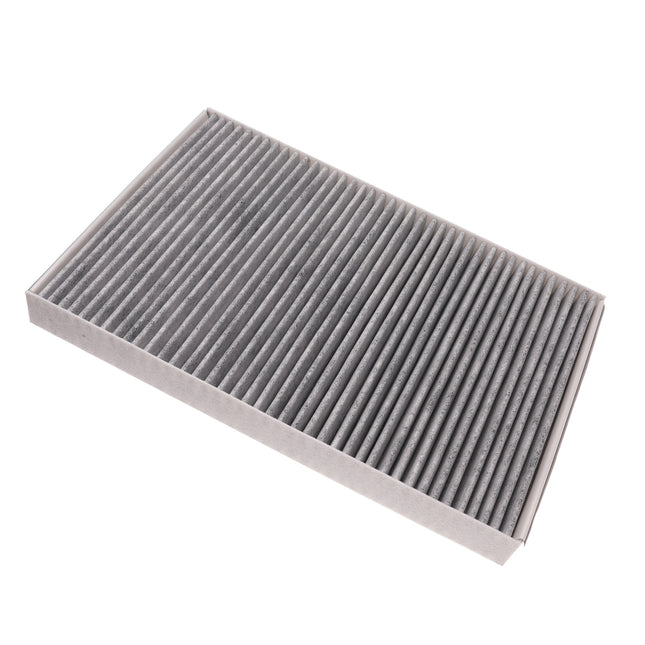
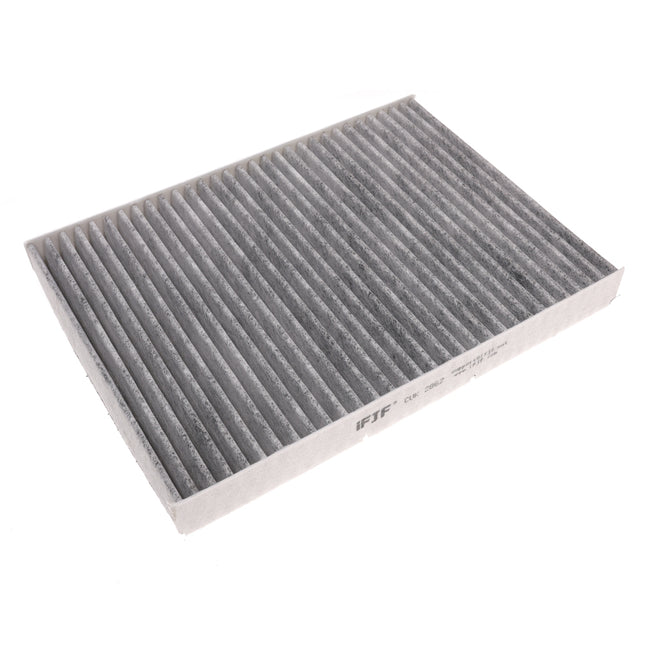
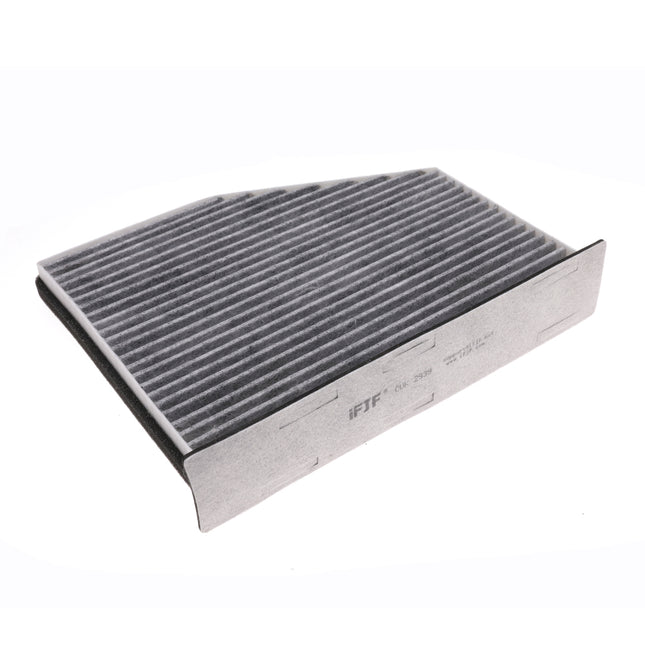
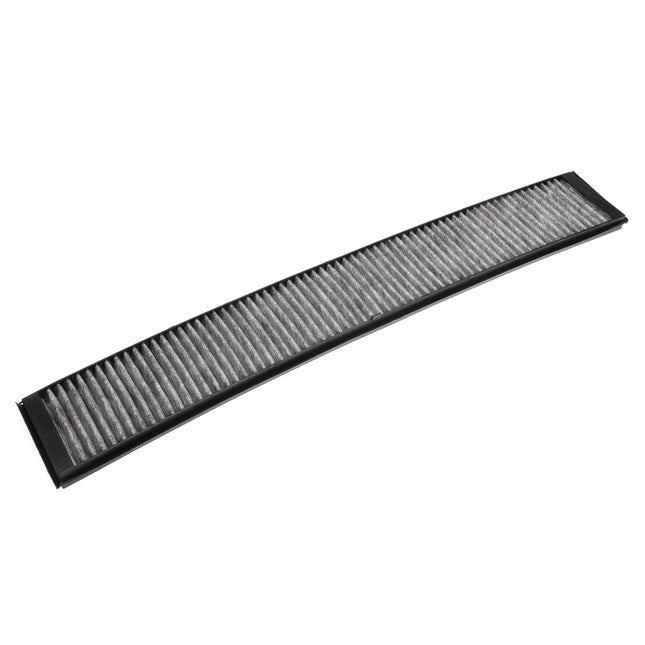
Odor Control: Activated carbon cabin air filters add a layer of charcoal media that adsorbs diesel exhaust odors, agricultural chemicals, and volatile organic compounds (VOCs). For farmers, construction workers, and anyone operating diesel equipment in enclosed spaces, the difference between a standard particulate filter and an activated carbon filter is night and day.
Cabin Air Filter Fitment by Platform
Ford Super Duty (2017+): Located behind the glove box door. Motorcraft FP-92. Access requires lowering the glove box past its stops — press the tabs on both sides of the glove box inward and pivot it fully downward. The filter door clips can be brittle in cold weather; use caution when releasing them.
Ram 2500/3500 (2010+): Located behind the glove box, similar to Ford. Mopar 68335419AA. The Ram's filter housing uses a push-to-release tab that can be stubborn — use a flathead screwdriver to gently lift the tab while pulling the cover outward. Some 2010-2012 models did not come with a filter from the factory, but the housing is present — buy the filter and the access door kit (Mopar 68052210AA).
GM 2500HD/3500HD (2001+): GMT800 (2001-2010): filter accessed from outside the vehicle — remove the passenger-side cowl panel under the hood. ACDelco CF188. GMT900 (2011-2019): behind the glove box. ACDelco CF1179. The GMT800's external access design exposes the filter to more debris, requiring more frequent changes on trucks used in dusty conditions.
FAQ: Diesel Truck Cabin Air Filters
Q: How often should I replace my cabin air filter?
A: Every 15,000-25,000 miles or every 12 months — whichever comes first. For trucks used in dusty environments (construction, farming, gravel roads), check every 10,000 miles. A filter that looks dark gray to black is doing its job — that's the particulate it has captured. Replace it when it looks loaded, not just when airflow decreases.
Q: Standard vs. activated carbon cabin filter — which should I choose?
A: Activated carbon filters are worth the premium for diesel truck owners. The carbon layer adsorbs diesel exhaust odors that pass right through standard particulate filters. If you notice diesel smell in your cab — particularly during regen cycles or when stopped at traffic lights — an activated carbon filter is the most effective (and least expensive) solution.
Q: Can I clean and reuse my cabin air filter?
A: No. Cabin air filters use depth-loading media — contaminants are embedded throughout the filter material, not just on the surface. Vacuuming or blowing compressed air through the filter may remove visible debris but will not extract embedded particulates. More importantly, cleaning can damage the filter media, creating gaps that allow unfiltered air to bypass the filter entirely. Replacement is the only correct approach.
Buying Guide: How to Choose the Right Cabin Air Filter
Selecting the right cabin air filter for your diesel truck comes down to three key factors:
1. Verify Platform Compatibility: Always confirm your truck's year, make, and model before purchasing. The cabin air filter housing dimensions vary even within the same manufacturer — a 2020 Ram 2500 filter will not fit a 2019 model despite both being 6.7L Cummins trucks. Use the fitment guide on each product page or cross-reference with your owner's manual for the OEM part number. For Ram owners, note that 2010-2012 models may require both the filter element and the retrofit access door kit if cabin filtration was not factory-installed.
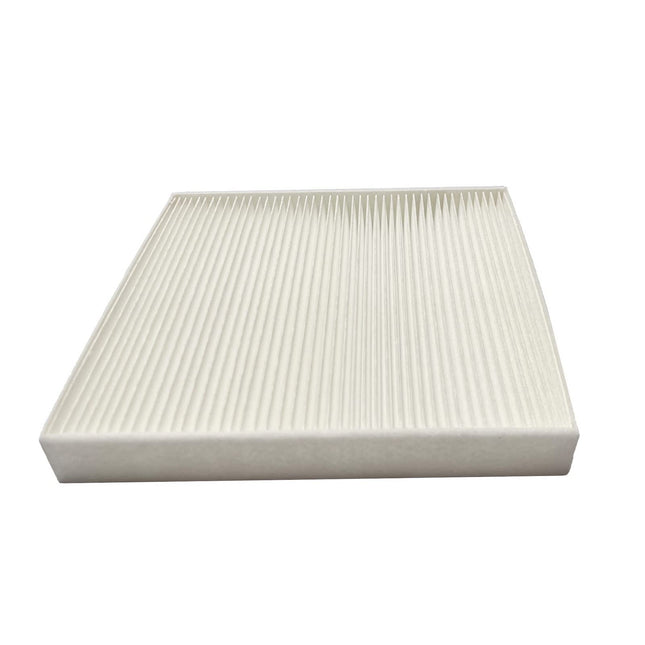
2. Particulate vs. Activated Carbon: Standard particulate filters use electrostatically charged synthetic fibers to trap dust, pollen, and soot. They are the most affordable option and adequate for trucks operated primarily on paved roads. Activated carbon filters add a charcoal-impregnated layer that chemically adsorbs odors and VOCs. For anyone operating in agricultural areas (fertilizer and chemical odors), dense urban traffic (diesel exhaust), or areas prone to wildfire smoke, the activated carbon upgrade delivers a measurable improvement in cabin air quality.
3. Filter Media Quality: Not all aftermarket filters are created equal. Look for filters that specify a Minimum Efficiency Reporting Value (MERV) rating — a MERV 11 or higher rating indicates the filter captures at least 85% of particles in the 1.0-3.0 micron range (the size range of most diesel soot). OEM filters from Motorcraft, Mopar, and ACDelco are engineered to the exact pressure drop specifications of your HVAC system. Some bargain filters use thinner media with lower pleat counts, sacrificing filtration efficiency for lower manufacturing cost. The price difference is typically $5-15 — well worth the investment for OE-quality media.
Installation Tips: DIY Cabin Air Filter Replacement
Replacing a cabin air filter is one of the easiest DIY maintenance tasks — typically requiring no tools and taking under 10 minutes. Follow these model-specific tips for a smooth installation:
Ford Super Duty (2017+): Empty the glove box completely, then squeeze the two side tabs inward while lowering the door past its normal open position. The filter housing is visible behind the glove box. Before removing the old filter, note the airflow direction arrow printed on the filter frame — the new filter must be installed in the same orientation (arrow pointing toward the cabin). A common mistake is installing the filter upside-down or backwards, which can cause the filter to collapse under airflow.
Ram 2500/3500 (2010+): The Ram's filter access door uses a push-tab release mechanism on the left side of the housing. If the tab resists, gently insert a flathead screwdriver between the tab and housing to release it — excessive force can snap the plastic tab. The filter slides horizontally into the housing; if it binds, check for leaves or debris that may have fallen into the housing from the cowl air intake.
GM 2500HD/3500HD GMT800 (2001-2010): The external cowl access on the passenger side requires removing the plastic cowl cover — typically held by 3-4 plastic push-pin retainers. A trim panel removal tool prevents damage to these reusable retainers. After installing the new filter, ensure the cowl cover is fully seated to prevent water intrusion into the HVAC intake. Run the blower motor on high for 30 seconds after installation to verify proper airflow and seating.
General Tips: Always run the HVAC system on high (fresh air mode, not recirculation) for 2-3 minutes before removing the old filter — this dislodges loose debris that would otherwise fall into the blower motor housing. Keep a shop vacuum handy to clean the filter housing of accumulated leaves and debris. Mark the installation date on the new filter frame with a permanent marker for easy reference at your next inspection interval.
Related Collections
- Engine Belts & Pulleys — Tensioners, idlers, and serpentine belts for your diesel
- Exhaust System — Reduce EGTs and improve turbo response
- Powerstroke Parts — Filters, sensors, and maintenance for Ford diesels
- Cummins 6.7L Parts — Fleetguard filters and Ram maintenance essentials