








Cummins 6.7L Parts: Keep Your Ram's Diesel Heart Beating Strong
The 6.7L ISB Cummins has powered Ram Heavy Duty trucks since 2007.5 — from the workhorse tradesman to the fully-loaded Limited. This inline-six turbodiesel delivers 370-420 horsepower and 850-1,075 lb-ft of torque depending on model year, making it the most powerful engine in the HD segment. But that power demands proper maintenance, and quality filtration is the foundation.
The 6.7L Cummins Platform: Generation by Generation
Gen 1 (2007.5-2012): The original 6.7L introduced the DPF and EGR emissions systems. With 350 hp and 650 lb-ft, these trucks respond well to filtration upgrades. The fuel filter housing on the driver-side frame rail uses a spin-on style cartridge — we stock the Fleetguard FS43255 and equivalent.
Gen 2 (2013-2018): Power jumped to 385 hp and 865 lb-ft with the introduction of DEF. The fuel system uses the Bosch CP3.3 high-pressure pump, which is more tolerant of fuel quality than the CP4 — but still demands clean fuel. Our fuel filter upgrade kits include both primary and secondary filters.
Gen 3 (2019-2024): The current-generation Cummins delivers 370-420 hp and 850-1,075 lb-ft with the new CGI block. The hydraulic lifter design was updated, and the fuel system gained additional injection pressure. These trucks run best with Fleetguard Stratapore media — the OEM standard for Cummins filtration.
Essential 6.7L Cummins Maintenance Products
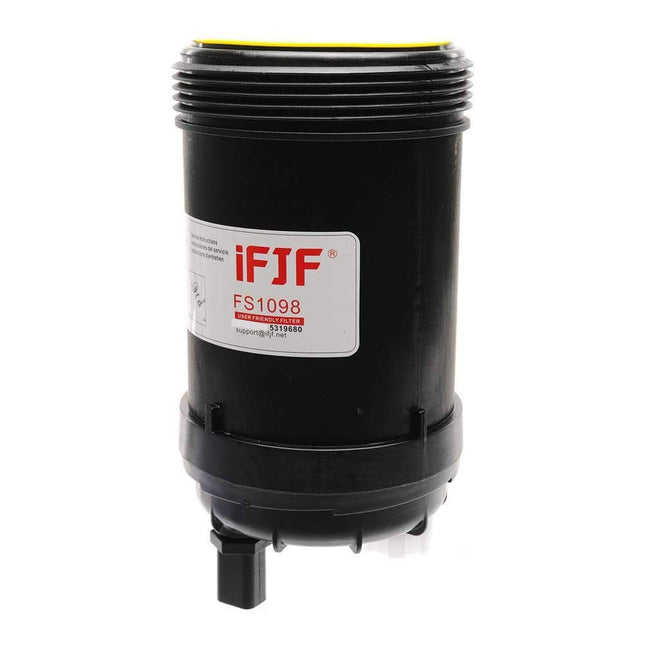
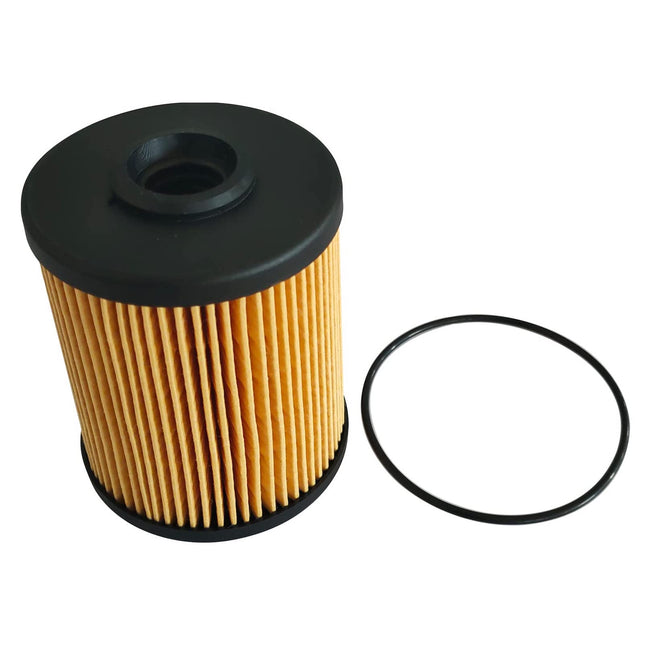
Fuel Filters: The CP3.3 injection pump operates at 29,000+ psi. A single tank of water-contaminated diesel can cause $5,000+ in injection system damage. Our Fleetguard FS43255 (primary) and FS19856 (secondary) filter kits provide absolute 10-micron filtration with hydrophobic water separation.
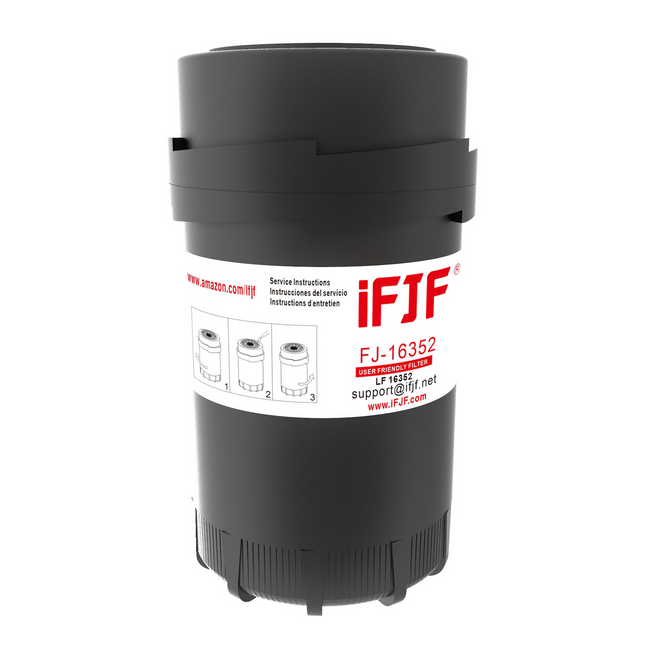
Oil Filters: The 6.7L Cummins holds 12 quarts of 15W-40 or 5W-40 diesel oil. Fleetguard LF16035 or LF3972 filters use Stratapore synthetic media for superior soot-holding capacity. With extended drain intervals common in commercial applications, filter quality directly impacts engine longevity.
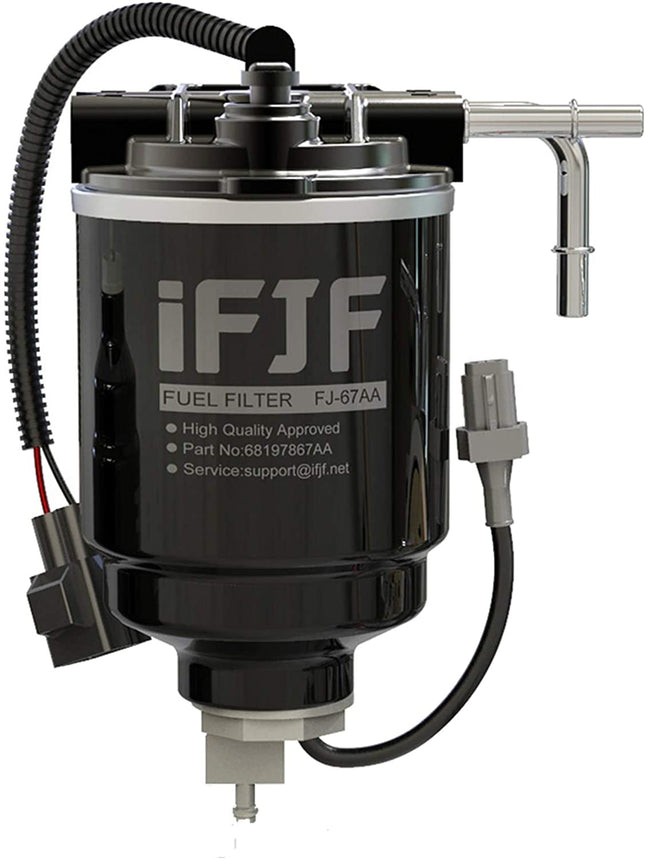
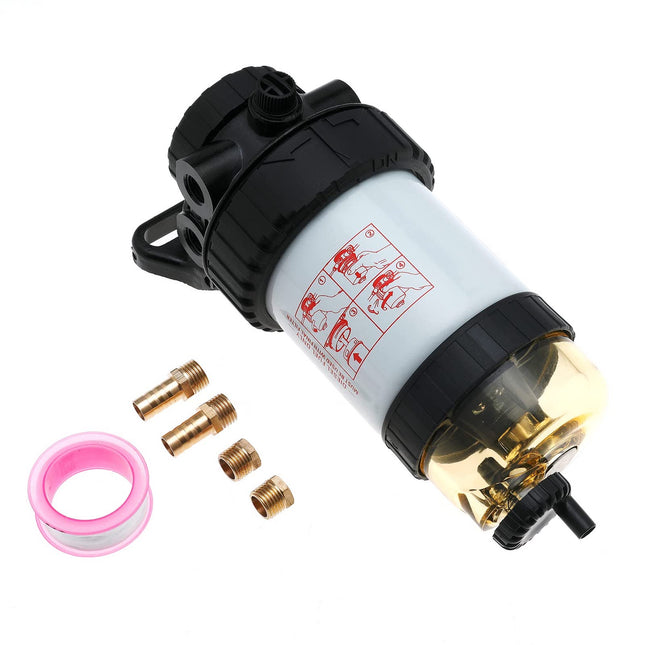
Water Separators: Our complete fuel/water separator assemblies (R12T and R12H series) provide an additional layer of protection before fuel reaches the factory filter. For trucks operating in humid regions or fueling at high-turnover stations, a pre-filter water separator is cheap insurance.
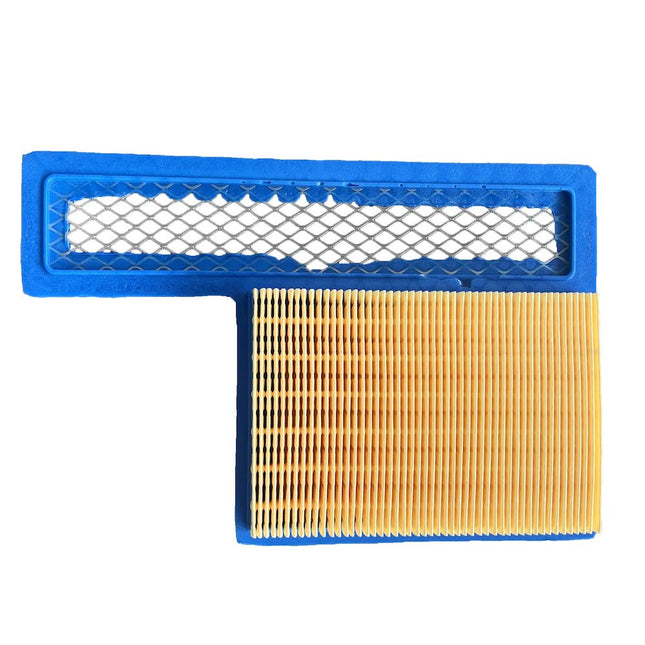
Crankcase Ventilation Filters: The 6.7L CCV filter requires replacement every 60,000-67,500 miles. A saturated CCV filter increases crankcase pressure, leading to oil leaks at the front and rear main seals.
6.7L Cummins Maintenance FAQ
How often should I change the fuel filter on my 6.7L Cummins?
Every 15,000 miles or 12 months under normal conditions. For trucks that idle frequently, tow heavy, or run biodiesel blends, change at 10,000-mile intervals. Always drain the water separator at every oil change. The "Water in Fuel" warning light means immediate action — do not keep driving.
What is the difference between Fleetguard FS43255 and FS19856?
The FS43255 is the primary (frame-mounted) fuel/water separator filter. The FS19856 is the secondary (engine-mounted) filter. Both should be changed together — using only one risks bypassing unfiltered fuel through the other circuit. iFJF stocks both with same-day shipping.
Can I use aftermarket fuel filters on my 6.7L?
Only use filters meeting Cummins Filtration specification. Non-spec filters may have incorrect micron ratings, poor water separation, or bypass valve calibration that differs from OEM. Fleetguard is the OEM supplier for Cummins filtration — using anything else voids your injection system warranty. Every iFJF filter is cross-referenced to Fleetguard specifications.
What DEF system problems should I watch for on my 6.7L Cummins?
The most common DEF system issues on 6.7L Cummins Rams include: faulty DEF injector crystallization (white buildup around the injector nozzle), DEF pump failure (triggering "Incorrect DEF Fluid" warnings), and DEF tank heater failures in cold climates. Running the DEF tank below 1/4 full accelerates pump wear due to overheating. For 2013+ trucks, the NOx sensor is also a common failure point — we stock replacement sensors for all model years.
Is EGR delete legal on my 6.7L Cummins?
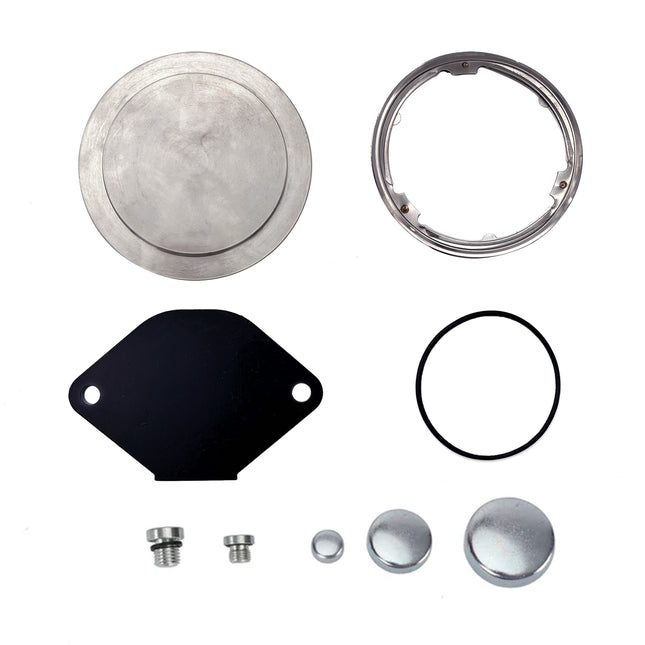
EGR delete kits physically disable the exhaust gas recirculation system, which reduces soot loading in the intake manifold and can improve fuel economy. However, EGR deletes are for off-road and competition use only — they are not street-legal in emissions-regulated states and violate federal Clean Air Act requirements for on-highway vehicles. For competition trucks and dedicated off-road rigs, we stock complete EGR delete kits with block-off plates and tuning support.
Buying Guide: Choosing the Right Cummins 6.7L Parts
The 6.7L Cummins aftermarket is vast — here is how to filter through the noise and buy the right parts the first time:
1. Determine Your Generation: The single most important step. Gen 1 (2007.5-2012), Gen 2 (2013-2018), and Gen 3 (2019-2024) share almost no interchangeable parts. Fuel filters, oil filters, and even the CCV filter design changed between generations. The quickest identification method: 2007.5-2012 trucks have the DEF fill port under the hood; 2013+ trucks have it next to the fuel filler door. If you are unsure, use your VIN to confirm the build date and engine family code — our customer service team can cross-reference any VIN to the correct part numbers.
2. Fleetguard First, Always: Fleetguard is to Cummins what Motorcraft is to Ford — the OEM filtration supplier. Every Fleetguard filter is designed, tested, and validated on Cummins engines at the Cummins Filtration Technical Center. The price difference between Fleetguard and generic aftermarket filters is typically $5-10 — not the place to save money on a $65,000+ truck. Key Fleetguard numbers to know: FS43255 (primary fuel/water separator for all Gen 1 and Gen 2), FS53069 (primary for Gen 3), FS19856 (secondary, 2007.5-2018), LF16035 (oil filter, all years), and CV52001 (CCV filter, all years).
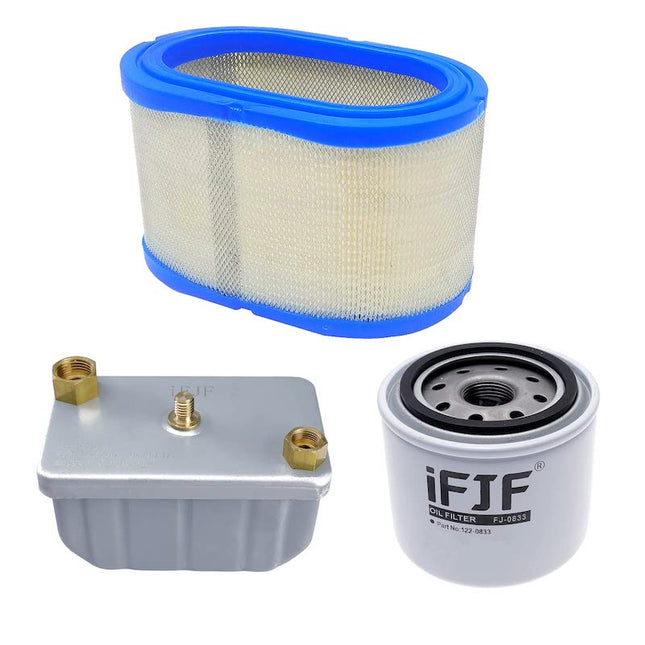
3. Maintenance Kit vs. Individual Filters: For routine service, our bundled maintenance kits save 15-20% compared to buying individual filters. A complete Gen 2 service kit includes: FS43255 primary fuel filter, FS19856 secondary fuel filter, LF16035 oil filter, CV52001 CCV filter, and a crush washer for the oil pan drain plug. The kit eliminates the guesswork of ordering compatible parts and ensures you have everything before starting your service — no mid-job trips to the parts store.
Installation Tips: DIY 6.7L Cummins Maintenance
Most 6.7L Cummins maintenance tasks are approachable for DIY owners with basic tools. These model-specific tips will save you time and prevent common mistakes:
Fuel Filter Replacement: The primary filter (frame-mounted) is straightforward — unscrew the housing cap, replace the filter element and O-ring, and torque the cap to specification (typically 25 ft-lbs; over-tightening cracks the plastic housing). Before reinstalling the cap, fill the housing with fresh diesel to minimize air in the system. Cycle the key to "Run" (not "Start") 3-4 times to prime the fuel system — you will hear the lift pump run for 30 seconds each cycle. The secondary filter (engine-mounted) typically requires a 36mm socket or a dedicated filter wrench. Once both filters are replaced, start the engine and let it idle for 5 minutes while checking for leaks — small drips from the primary housing are common if the O-ring did not seat properly.
Oil Change: The 6.7L holds 12 quarts — always verify the dipstick reading after adding 11 quarts, then top off to the full mark. Overfilling by even half a quart can cause the crankshaft to aerate the oil, leading to reduced oil pressure and potential bearing damage. The oil filter (LF16035) should be hand-tightened plus 3/4 turn — the factory spec is 20-25 ft-lbs, and a filter wrench marked for torque is a good investment. Always apply a thin film of clean oil to the new filter's gasket, and ensure the old gasket came off with the old filter (double-gasketing is the #1 cause of catastrophic oil leaks after an oil change).
CCV Filter Replacement: The crankcase ventilation filter is located on top of the valve cover and is often neglected. Removal requires disconnecting the CCV hose (the plastic quick-connect fitting releases by squeezing the two tabs). The filter housing cover is held by Torx-head screws — these are easily stripped if the wrong size bit is used. Apply penetrating oil to the screws 30 minutes before removal if the engine has high mileage. The new filter must be installed with the flow arrow pointing toward the engine — installing it backwards can cause immediate seal damage from excessive crankcase pressure.
Winter Care Tips: Cold-Weather Cummins Operation
The 6.7L Cummins is a cold-blooded engine — proper winter preparation prevents hard starts, gelled fuel, and DEF system damage:
Fuel System Winterizing: Diesel fuel gels when paraffin wax crystals precipitate out of the fuel in cold temperatures. #2 diesel begins to cloud at 15°F and gels around 0°F. Switch to winter-blend #1 diesel or use an anti-gel fuel additive when temperatures drop below 20°F. Add the anti-gel treatment before filling the tank so it mixes thoroughly — adding it to a full tank does not achieve proper mixing. Keep the fuel tank above half-full in extreme cold to minimize condensation (water in fuel freezes before diesel and plugs filters).
Block Heater Usage: The factory block heater (located on the passenger side of the block, forward of the starter) should be plugged in for 2-4 hours when temperatures drop below 0°F. Using a heavy-duty outdoor timer set to activate 3 hours before your departure time saves electricity and ensures the engine is warm when you start it. The block heater warms the coolant, which transfers heat to the cylinders and oil — a pre-warmed engine starts instantly, produces cabin heat faster, and experiences zero cold-start wear.
DEF System Protection: DEF freezes at 12°F, and the DEF tank heater activates automatically when the ignition is on. However, the heater only operates when the engine is running or during the key-on self-test — it does not run continuously when the truck is parked. If your truck will sit for extended periods in sub-freezing temperatures, park it in a garage or use a magnetic block heater pad on the DEF tank (aftermarket, verify compatibility). Never add anti-freeze or additives to the DEF tank — DEF is a precisely formulated 32.5% urea solution, and any contamination will trigger DEF quality sensor faults and potential SCR catalyst damage.
Related Collections
- Exhaust System — Performance exhaust and EGR solutions for Cummins
- Engine Belts & Pulleys — Serpentine belts and tensioners for Ram HD
- Cabin Air Filters — Cabin air quality for Ram 2500/3500
- Powerstroke Parts — Ford Powerstroke maintenance and filters