


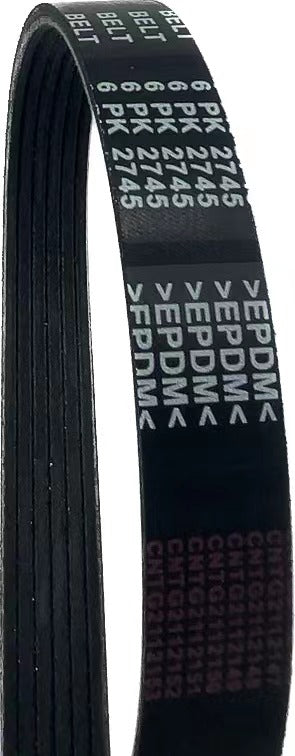


Engine Belts & Pulleys: The Silent Heroes of Your Diesel Engine
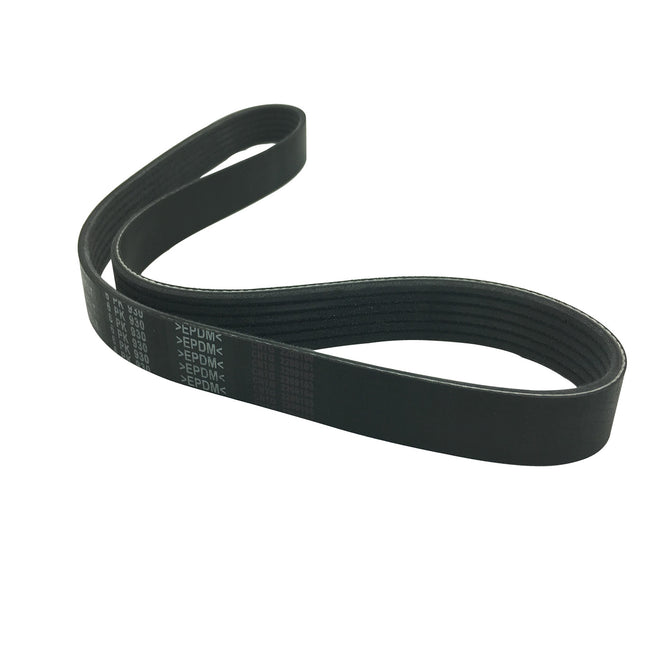
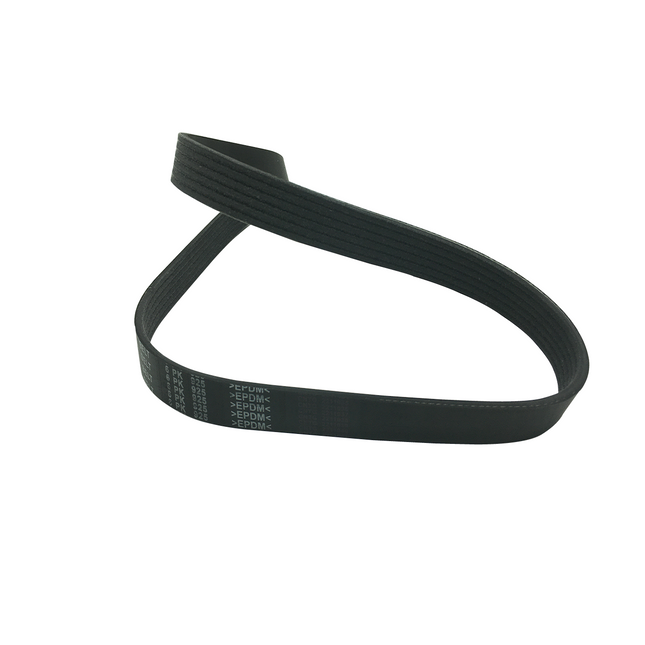
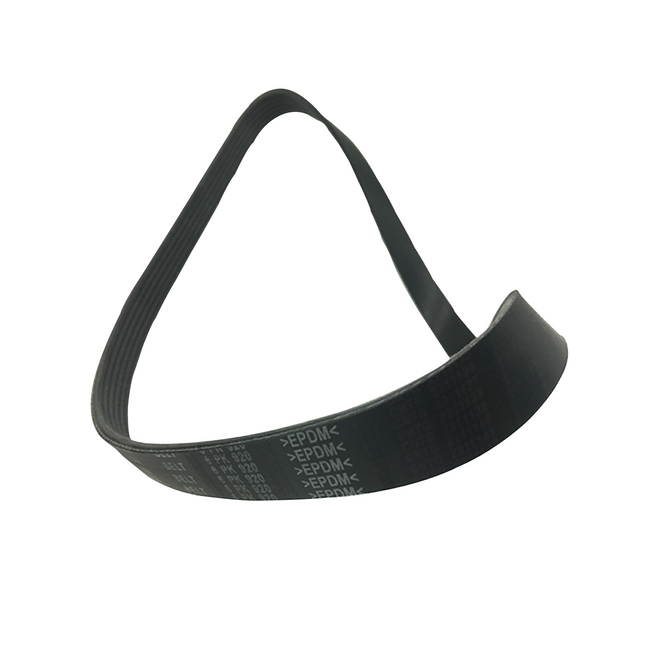
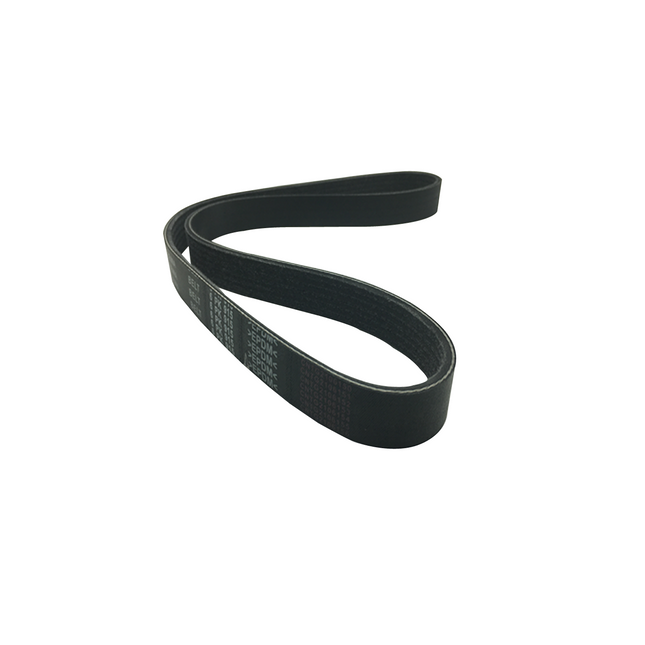
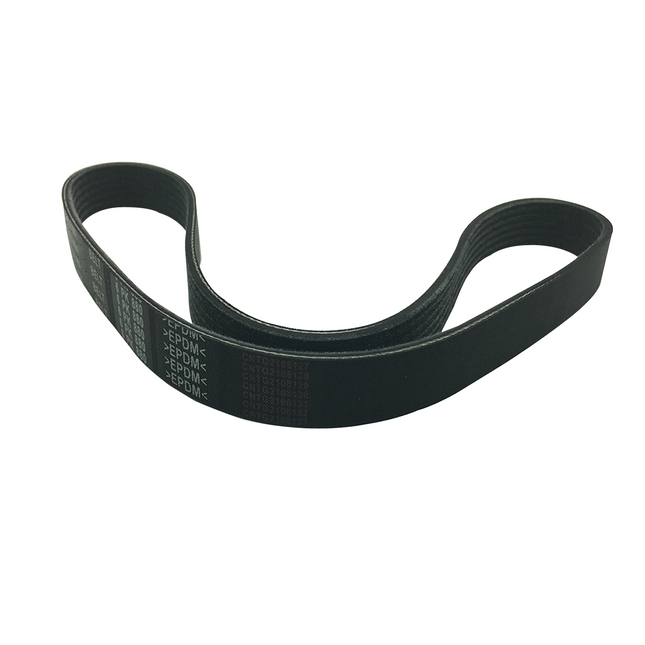
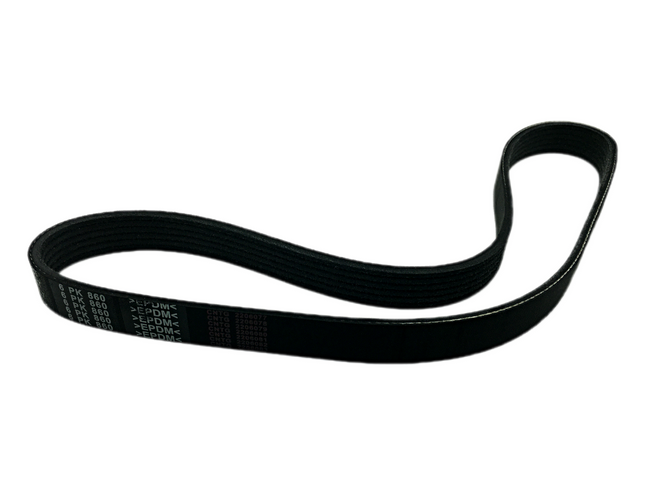
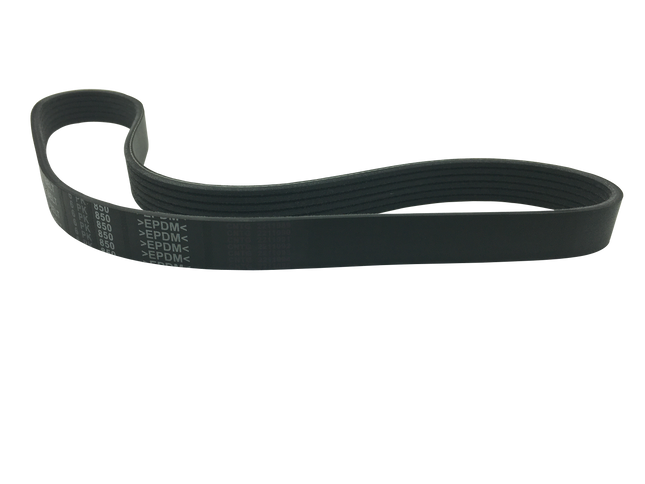
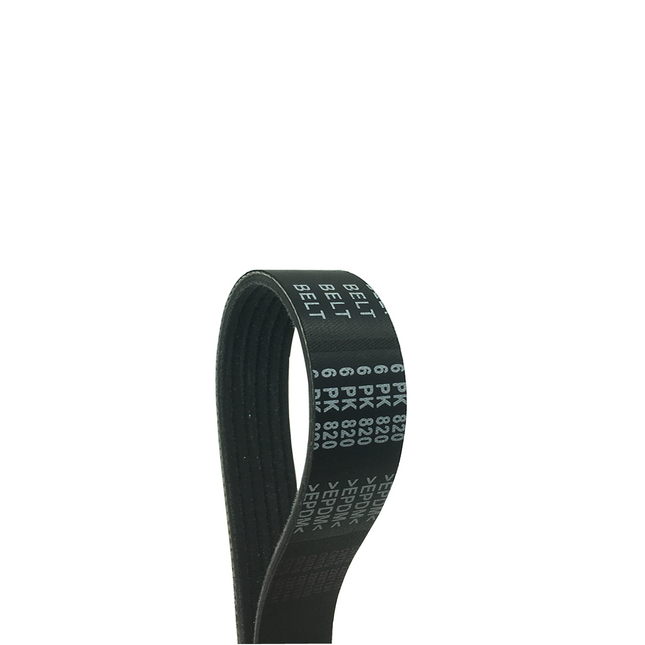
Your diesel engine's serpentine belt is easy to overlook — until it fails. A snapped belt takes out your alternator, water pump, power steering, and air conditioning all at once. On modern diesels, the belt also drives critical emission components like the DEF dosing pump and EGR cooler fan. At highway speed, you have minutes — not hours — before engine overheating forces a shutdown. iFJF Direct stocks the belts, tensioners, and idler pulleys that keep your diesel running reliably mile after mile.
Why Belt System Maintenance Matters
The serpentine belt on a modern diesel truck drives 7-9 accessories simultaneously, transmitting 15-25 horsepower continuously. Belt tension must remain within a narrow 5-10% tolerance range — too loose and accessories slip (undercharging alternator at idle, reduced water pump flow), too tight and accessory bearing life is dramatically reduced. The automatic tensioner's spring and damping mechanism are the components that maintain this tension — and they have a finite service life, typically 80,000-120,000 miles.
The most common field failure is not the belt itself, but the tensioner pulley bearing. Unlike idler pulleys which see relatively constant load, tensioner pulleys experience continuous load cycling as the tensioner arm moves to compensate for belt stretch, accessory load changes, and engine vibration. When the bearing fails, the pulley seizes, the belt shreds, and you're on the shoulder.
Belt System Components by Engine
Ford 6.7L Powerstroke: The 6.7L uses a single serpentine belt (Motorcraft JK6-873) with an automatic tensioner (BC3Z-6B209-A) and two idler pulleys (smooth and grooved). The AC compressor has a separate stretch-fit belt on 2017+ models. The dual-alternator option (397-amp) on chassis cab trucks uses a secondary belt — these see accelerated wear and should be inspected at every oil change.
Ford 6.0L Powerstroke: Uses a single serpentine belt (Motorcraft JK8-673) with a robust tensioner assembly. The 6.0L's belt routing passes close to the upper radiator hose — inspect the hose for belt-contact rub marks that indicate tensioner misalignment. A failing tensioner often produces a rhythmic chirp at idle that disappears above 1,200 RPM.
Ford 7.3L Powerstroke: Belt Motorcraft JK8-875. The 7.3L uses a separate belt for the vacuum pump (early models). The tensioner on high-mileage 7.3Ls is a known failure point — the internal damping mechanism wears out before the pulley bearing, leading to belt flutter visible at idle. If you can deflect the tensioner more than 1/2 inch by hand, it's time for replacement.
Ram 6.7L Cummins: The Cummins uses a single serpentine belt (Mopar 53032832AF) with a hydraulic tensioner — a more durable design than the spring-loaded tensioners used on Ford and GM. However, the Cummin's belt drives the viscous fan clutch, which imposes high shock loads during fan engagement. The belt should be replaced at 100,000 miles regardless of appearance.
GM Duramax 6.6L: The Duramax uses belt ACDelco 6K930 (L5P) or 6K739 (earlier). The L5P's belt routing includes the electric power steering pump — a high-draw accessory that accelerates belt wear compared to earlier hydraulic power steering systems. The L5P tensioner (ACDelco 38477) uses a unique damped design that should only be replaced with OEM — aftermarket substitutes lack proper damping calibration.
FAQ: Diesel Engine Belts
Q: How often should I replace my serpentine belt?
A: Inspect at every oil change (look for cracks, glazing, missing ribs, and edge fraying) and replace at 60,000-100,000 miles. The belt itself may look fine at 100,000 miles, but EPDM rubber loses elasticity over time — the belt won't grip pulleys as effectively, leading to alternator undercharging at idle and AC compressor slip. When replacing the belt, always replace the tensioner and idler pulleys together.
Q: What are the warning signs of a failing belt tensioner?
A: (1) Rhythmic chirping or squeaking at idle, especially when cold. (2) Visible belt flutter or oscillation between pulleys. (3) The tensioner pulley not aligned in the same plane as adjacent idlers (check with a straightedge). (4) Rust or grease leakage from the tensioner arm pivot — the internal damping mechanism has failed.
Q: Can I drive with a missing AC belt?
A: On most modern diesels, yes — the AC compressor has a dedicated belt or clutch that disengages the compressor when not in use. However, the defroster uses the AC system to dehumidify cabin air, so defrost performance will be reduced. On some 6.7L Powerstroke models, the AC belt also drives ancillary equipment — check your specific routing diagram before bypassing.
Buying Guide: How to Choose the Right Belt & Tensioner Kit
Selecting the correct serpentine belt and tensioner components is critical — a single wrong part number can leave you stranded. Follow this guide to ensure you get exactly what your diesel engine needs:
1. Identify Your Belt System Configuration: Diesel trucks often have multiple belt system configurations within the same model year. The 6.7L Powerstroke alone has seven routing configurations depending on: single vs. dual alternator (the dual-unit 397-amp option adds a second belt), with or without a mechanical fan clutch deletion (snowplow prep package), and early vs. late production AC compressor design changes. Before ordering, confirm your alternator configuration by visually checking for one or two belts at the front of the engine. The build sheet sticker (typically in the glovebox or door jamb) lists all factory-installed options — use this to cross-reference with our fitment guide.
2. OEM vs. Aftermarket Quality: We recommend Motorcraft, ACDelco, or Mopar OEM belts for all applications — the EPDM rubber compound is engineered to the specific pulley diameter, wrap angle, and load profile of each engine. Aftermarket belts using generic EPDM compounds may have different coefficient-of-friction characteristics that cause slipping or noise, particularly on the smaller-diameter alternator and AC compressor pulleys. For tensioners and idlers, aftermarket options from Gates, Dayco, and Continental are acceptable but must match the OEM's damping calibration — a tensioner with incorrect spring rate or damping valving will either slip or overload accessory bearings.
3. Replace as a Complete Set: Never replace just the belt. A worn tensioner with a new belt is a recipe for belt failure within 10,000 miles. The complete replacement set should include: serpentine belt, automatic tensioner assembly, all idler pulleys (smooth and grooved), and the AC stretch-fit belt on 2017+ Powerstroke models. Kits purchased as a set are typically 15-30% less expensive than individual components and eliminate the risk of missing a worn pulley during the replacement.
Common Problems & Diagnosis: Belt System Troubleshooting
Belt system problems rarely appear without warning — recognizing the early symptoms can save you from a roadside breakdown:
Chirping or Squeaking Noise at Idle: A rhythmic chirp (chirp-chirp-chirp) that varies with engine RPM is typically a failing tensioner or idler pulley bearing. To isolate: with the engine running, use a mechanic's stethoscope or a long screwdriver (handle pressed to your ear, tip on each accessory housing) to pinpoint the noisy bearing. If the noise comes from the alternator area, rule out alternator bearing failure before replacing the tensioner — a failing alternator bearing mimics tensioner noise exactly. A quick diagnostic: spray a small amount of water on the belt while the engine is running (use a spray bottle, not a hose). If the noise temporarily disappears, it's belt-related (glazing or misalignment). If the noise persists, it's bearing-related.
Battery Warning Light at Idle: If your battery light illuminates at idle but goes out above 1,200 RPM, the alternator is not charging at low engine speeds — this is classic belt slip. The alternator pulley diameter is the smallest on the belt drive, meaning it has the least belt wrap and the highest likelihood of slip. Check belt tension (tensioner arm should be within the marked wear range on the tensioner body). If tension is in-range, check for belt contamination — a coolant leak dripping onto the belt from an upper radiator hose or water pump weep hole lubricates the belt and prevents it from gripping the alternator pulley.
Power Steering Loss During Parking Maneuvers: If steering effort increases noticeably when parking but feels normal at speed, the belt is slipping on the power steering pump pulley. This most commonly occurs when the belt is contaminated with oil from a leaking front main seal or valve cover gasket. The power steering pump requires the most torque of any belt-driven accessory during low-speed parking maneuvers, making it the first system to show slip symptoms.
Belt Squeal After Driving Through Water: A single-loud screech that occurs after driving through deep water or a car wash is normal — water momentarily lubricates the belt-to-pulley interface. Persistent squeal after the belt dries indicates the belt has become glazed (the rib surface has hardened and polished). A glazed belt must be replaced — belt dressing products are a temporary fix at best and accelerate glazing long-term.
Maintenance Schedule: When to Replace Your Belt System
Proactive belt system replacement costs $150-400 in parts — a tow truck and emergency repair at a distant shop can cost triple that. Here is your belt system service schedule:
Inspection (Every Oil Change, 5,000-7,500 miles): Visually inspect the belt for cracks across the ribs (3+ cracks per inch = replace), glazing (shiny rib surfaces), missing rib sections, and edge fraying. Check the tensioner arm position — most tensioners have a wear-indicator mark; if the arm has moved past the indicated service limit, replace the tensioner regardless of the belt's appearance.
Replacement Interval (60,000-100,000 miles): Replace the complete belt drive system: serpentine belt, tensioner assembly, smooth idler pulley, grooved idler pulley, and AC stretch belt (if equipped). This is a mileage interval, not a condition-based decision — EPDM belts can look perfect at 100,000 miles while having lost 30% of their original tension-holding capacity.
Special Considerations: Trucks equipped with snowplows, winches, or high-output alternators (dual-alternator option) should replace the belt system at 50,000-mile intervals. The additional electrical load from these accessories accelerates belt wear. Chassis cab and ambulance-package trucks with PTO-driven accessories have additional belts that follow their own service intervals — consult the upfitter guide for your specific body configuration.
Related Collections
- Powerstroke Parts — Complete maintenance for all Ford diesel generations
- Cummins 6.7L Parts — Fleetguard filters and Ram Cummins parts
- Exhaust System — Performance exhaust for reduced EGTs
- Cabin Air Filters — Clean air for your diesel truck's cabin