


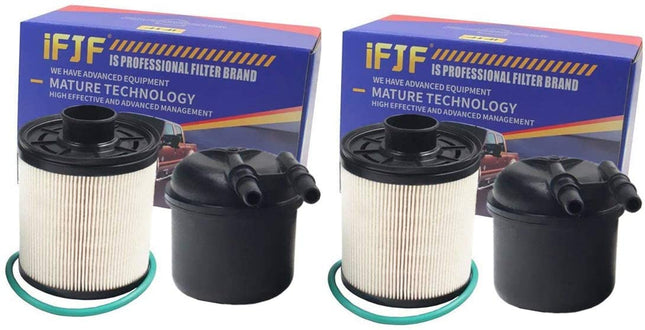
Fuel Water Separators: Essential Protection for Your Diesel Engine
Fuel water separators are specialized filtration devices that sit between your diesel fuel tank and your engine's precision injection system, performing one critical job that a standard fuel filter cannot: removing water from diesel fuel before it destroys your injectors and fuel pump. Water is diesel fuel's worst enemy—it enters your tank through condensation (especially during temperature swings between day and night), contaminated fuel station storage, leaky tank caps, and even high-humidity environments. Once inside your fuel system, water causes rust and corrosion on precision-machined injector internals, promotes the growth of bacteria and fungus that produce acidic slime, and can flash-boil inside hot injectors, causing tip erosion that ruins spray patterns. A quality fuel water separator with hydrophobic barrier media captures and isolates water droplets as small as 10 microns, allowing you to drain the accumulated water periodically before it ever reaches your injection pump.
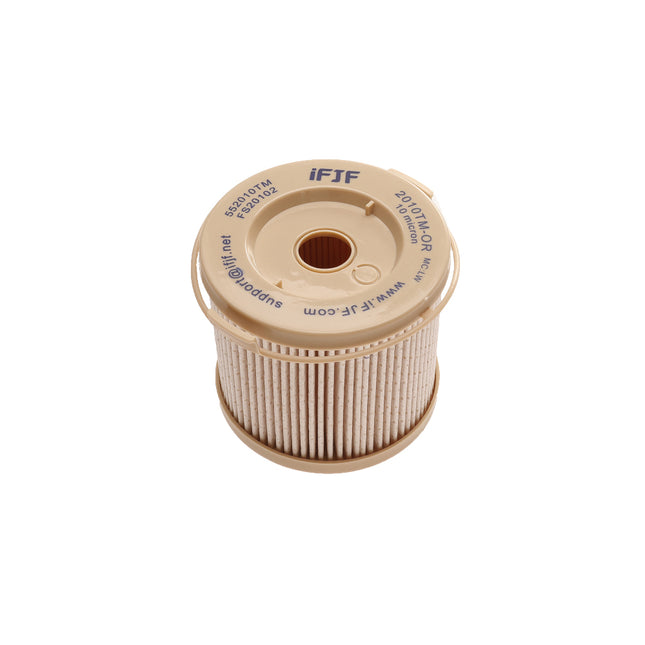
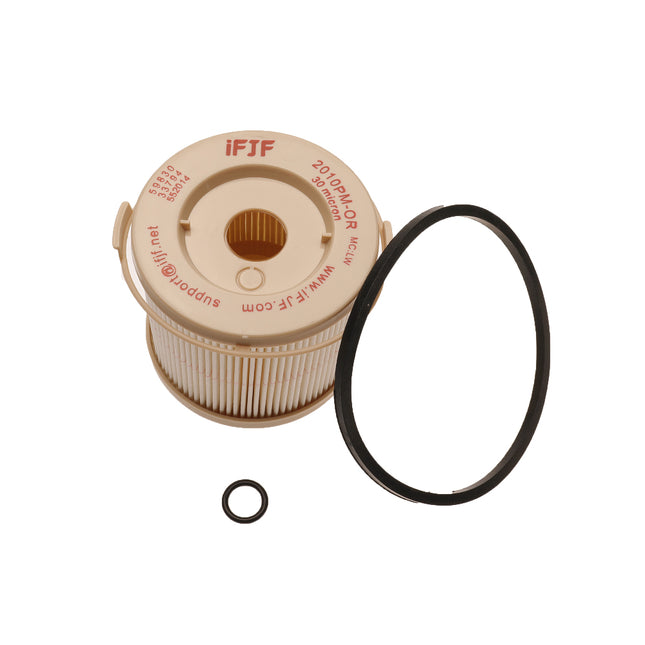
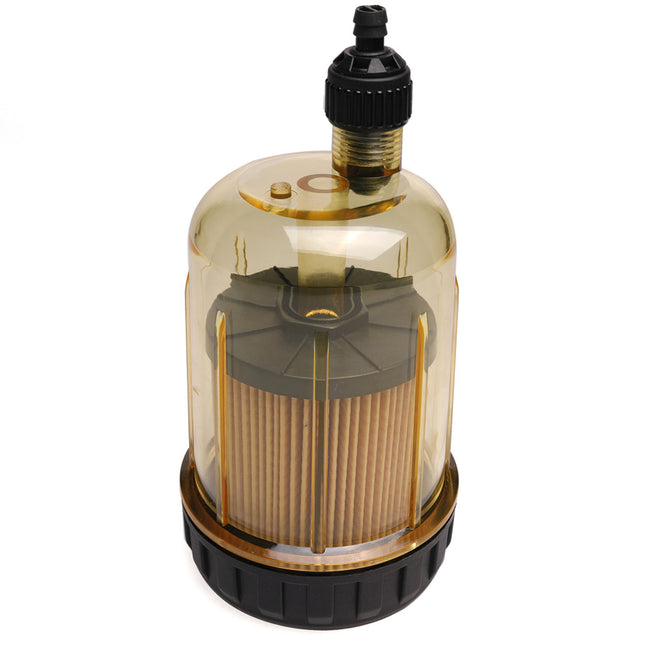
At iFJF Direct, our fuel water separators are built around a proven modular design that combines high-efficiency particulate filtration with aggressive water separation in a single serviceable unit. The R12H-series design features a detachable filter element inside a clear sediment bowl, giving you instant visual confirmation of water accumulation and filter condition without removing a single bolt. From compact spin-on water separators ideal for diesel pickups and work trucks to high-flow canister assemblies rated for commercial marine engines and stationary generators, every unit is engineered to meet or exceed the water removal standards demanded by modern common-rail injection systems. Pair your water separator with a quality diesel fuel filter downstream for a complete two-stage filtration system that maximizes injector life and engine reliability.
Why Fuel Water Separators Matter for Your Diesel Equipment
Water in diesel fuel isn't a theoretical concern—it's an everyday reality that costs diesel owners billions in premature fuel system repairs annually. Here's what happens when water bypasses filtration and reaches your engine:
- Injector Tip Erosion and Catastrophic Failure: Modern common-rail diesel injectors operate at temperatures exceeding 300°F at the nozzle tip. When a water droplet enters the injector and flash-boils, it creates a microscopic steam explosion that physically erodes the precision-ground nozzle orifice. Over time, this erosion widens the spray holes, destroying the exact spray pattern that your engine's ECU relies on for clean combustion. The result: uneven cylinder temperatures, piston melting, and eventually complete injector failure—a $400-$800 per injector replacement cost, not including labor.
- High-Pressure Pump Corrosion and Seizure: Diesel injection pumps rely on fuel itself for lubrication. Water displaces the lubricating film between close-tolerance pump plungers and barrels, causing metal-on-metal contact, scoring, and eventual seizure. A CP4 high-pressure fuel pump—found on millions of Ford Power Stroke and GM Duramax engines—can self-destruct within seconds of ingesting water-contaminated fuel, sending metal shrapnel throughout the entire fuel system and requiring a $8,000-$12,000 complete system replacement.
- Microbial-Induced Corrosion (MIC): Bacteria and fungi thrive at the diesel-water interface inside your tank. These microorganisms produce acidic metabolic byproducts—primarily sulfuric and organic acids—that chemically attack steel and aluminum fuel system components. The resulting corrosion pits create stress risers that lead to fatigue cracking in high-pressure fuel lines and pump housings.
- Cold-Weather Freezing: In sub-freezing temperatures, water pooled in your fuel filter or injection pump can freeze solid, completely blocking fuel flow. You'll crank until your batteries die without a single cylinder firing. A functional water separator with a heating element or proper winter maintenance eliminates this risk entirely.
Common Problems & Warning Signs
Your diesel engine will give you clear signals when water is overwhelming your fuel system's protection. Learn to recognize them:
- Water-in-Fuel (WIF) Warning Light: The most obvious indicator. Most diesel vehicles manufactured after 2000 have a sensor probe at the bottom of the fuel filter/water separator housing. When this light illuminates, water has accumulated to the sensor level and must be drained immediately—don't ignore it for even one more trip.
- Hard Starting and Extended Cranking: Water doesn't combust. When water reaches the injectors, the engine struggles to ignite the fuel charge, requiring longer cranking times, especially on cold mornings.
- White Smoke from Exhaust: Water passing through the combustion chamber exits as steam—white smoke from the tailpipe. This is distinctly different from the black smoke of over-fueling or the blue smoke of burning oil. Persistent white smoke, especially at operating temperature, is a red flag.
- Rough Idle and Intermittent Misfire: Uneven water distribution between cylinders causes irregular combustion events. You'll feel the engine shake at idle, hear sporadic knocking or pinging, and may experience random power loss at cruising speed.
- Visible Water When Draining: At every oil change or filter service, drain a small sample from your water separator bowl into a clear container. Clean diesel is amber-colored. If you see clear water droplets, cloudy emulsified fuel (water-diesel emulsion), or rust-colored sediment, your separator is doing its job but needs more frequent draining—or may be due for replacement.
- Corroded Filter Housing Interior: When you spin off an old filter or water separator element, inspect the inside of the housing. Orange rust stains, pitted aluminum, or black slime are all evidence of water contamination that has exceeded the separator's capacity.
How to Choose the Right Fuel Water Separator
Selecting a fuel water separator that matches your application ensures reliable protection without restricting fuel flow. Key factors to evaluate:
- Flow Rate Rating (GPH): Your water separator must flow enough fuel to feed your engine at wide-open throttle without creating excessive restriction. For diesel pickups, a 30-60 GPH unit is typically sufficient. Medium-duty trucks and industrial engines may need 90-120 GPH, while large marine or stationary engines can require 180+ GPH. Always oversize by at least 20% to account for filter loading between changes.
- Filtration Efficiency and Micron Rating: Look for separators that specify their water removal efficiency—typically 95%+ free water removal and 75%+ emulsified water removal. Particulate filtration ratings of 10-30 microns are common; 10-micron absolute-rated elements offer the best balance of protection and flow.
- Element Design: Spin-on canister-style separators are the most convenient—spin off the old, spin on the new, and you're done. Replaceable cartridge-style separators inside a reusable housing reduce waste and often cost less per service, but require careful reassembly to prevent air leaks. Units with a clear sediment bowl let you visually inspect water accumulation at a glance.
- Drain Mechanism: A convenient drain valve or petcock at the bottom of the separator housing is essential. The best designs let you drain water with a quarter-turn valve without removing the filter assembly. Some units include a sensor port for connecting a WIF warning light or gauge.
- Heater Option: For cold-climate operation (consistently below 20°F / -7°C), consider a fuel water separator with an integrated 12V or 24V heating element. This prevents wax crystal formation in the fuel (gelling) and stops water from freezing solid inside the separator bowl.
- Material Construction: Aluminum housings offer excellent corrosion resistance and heat dissipation. Clear polymer bowls provide visibility but may degrade over time with certain biodiesel blends. Marine applications demand stainless steel or coated aluminum for saltwater resistance.
Maintenance Tips & Replacement Schedule
| Maintenance Task | Frequency | Notes |
|---|---|---|
| Drain water from separator bowl | Every 5,000 miles or monthly | More often in humid climates or with older fuel storage tanks |
| Replace separator element | Every 15,000-20,000 miles or 12 months | Match to fuel filter replacement interval for convenience |
| Inspect housing for corrosion | Every element change | Clean and dry housing interior before installing new element |
| Replace O-rings and seals | Every element change | Always use fresh seals—reusing old ones risks air leaks |
| Check sensor and wiring (WIF) | Annually | Clean probe tip with electrical contact cleaner if contaminated |
| Inspect fuel lines to/from separator | Every 2 years | Look for cracking, swelling, or weepage at connections |
Pro tips for fuel water separator maintenance:
- Drain water into a clear container. If you see more than a few drops of water at each check, investigate your fuel source or tank condition. Persistent water ingestion may indicate a cracked tank or compromised filler cap seal.
- After draining, always re-close the drain valve fully and check for drips before starting the engine. A leaking drain valve draws air into the fuel system, causing hard starting.
- When replacing spin-on separators, fill the new unit with clean diesel fuel before installation. This minimizes cranking time and protects the injection pump from running dry.
- If your separator has a primer pump, use it to pressurize the system after filter changes and check all connections for fuel weepage before starting.
Browse More Diesel Parts
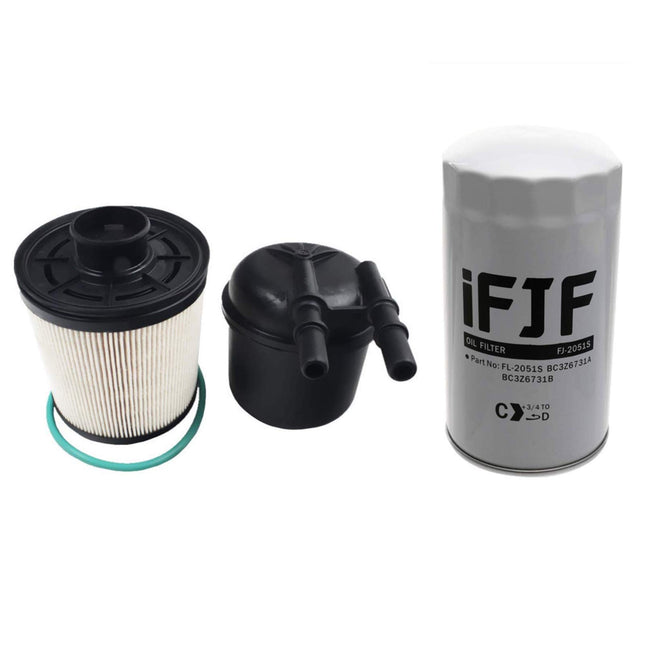
- Diesel Fuel Filters — Complete your filtration system with high-efficiency particulate filters that trap dirt, rust, and abrasive contaminants downstream of your water separator.
- Marine Fuel Filters — Corrosion-resistant fuel filtration engineered for the demands of saltwater boating, featuring aluminum alloy construction and spin-on convenience.
- Oil Filters — Protect your engine's lifeblood with high-capacity oil filters designed specifically for the extreme soot-loading and high-detergent chemistry of diesel engine oil.
- Air Filters — Stop abrasive dust at the intake with heavy-duty air filtration elements built for construction sites, farm fields, and unpaved roads.
- Fuel Additives — Complement your mechanical filtration with diesel fuel additives that disperse water, stabilize fuel during storage, and boost cetane for cleaner combustion.
Frequently Asked Questions
How do I know if my fuel water separator is working?
The most reliable test is a simple inspection at your next service interval. Drain the separator bowl into a clear glass container and let it settle for 5 minutes. If you see a distinct water layer at the bottom (water is denser than diesel fuel), your separator is doing its job. If the drained fuel is uniformly cloudy or shows no water separation, the element may be saturated, damaged, or beyond its service life. Replace it immediately. A properly functioning water separator on a daily-driven diesel truck in a humid climate will typically collect 1-4 ounces of water between 5,000-mile drain intervals. In marine environments or with older fuel tanks, you may collect significantly more.
Can I use a fuel water separator with biodiesel?
Yes, but with important caveats. Biodiesel (especially blends above B20) has natural solvent properties that can loosen years of accumulated deposits in your fuel tank, sending a surge of debris and sludge toward your filters. Biodiesel also attracts and holds more dissolved water than petroleum diesel, increasing the water load on your separator. When switching to biodiesel or increasing your blend ratio, monitor your water separator closely for the first 2-3 tankfuls. Expect to drain water more frequently and potentially replace filter elements on an accelerated schedule during the transition period. Ensure your separator's seals and bowl material are rated for biodiesel compatibility—natural rubber and some older polymers can swell or degrade when exposed to biodiesel.
What's the difference between a 2-micron and 10-micron fuel water separator?
The micron rating refers to the size of particulate the filter element can remove, not specifically its water-separation capability. A 10-micron separator removes particles 10 microns and larger (about the diameter of a red blood cell), which covers the vast majority of harmful contaminants in diesel fuel. A 2-micron separator removes particles down to 2 microns—roughly the size of a bacterium—providing an extra level of protection for the newest common-rail injection systems with ultra-tight internal clearances. The trade-off is flow restriction: a 2-micron element creates more pressure drop than a 10-micron element of the same physical size, which matters for high-horsepower applications. For most diesel pickups and medium-duty engines, a 10-micron water separator paired with a separate 2-5 micron final fuel filter is the optimal two-stage approach. The water separator handles the bulk water and larger particles, while the downstream final filter polishes the fuel to injector-ready cleanliness.