



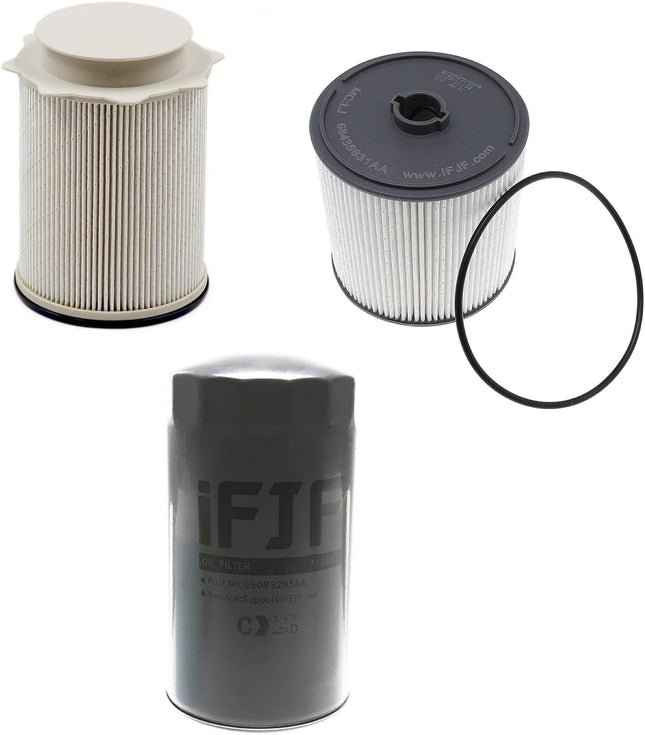
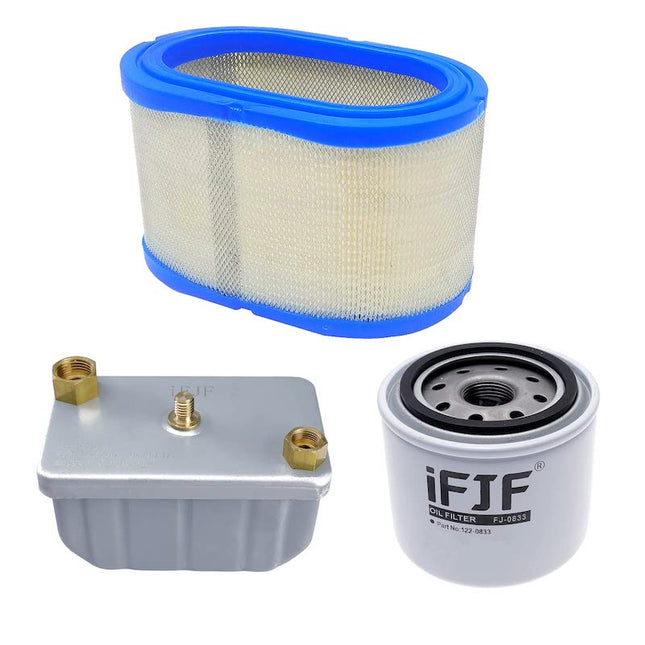


Diesel Oil Filters: High-Capacity Filtration for Heavy-Duty Engines
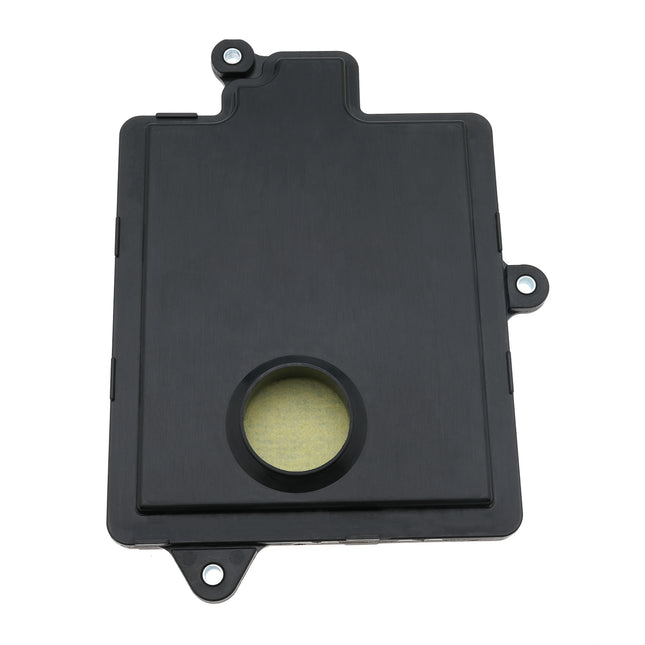
Diesel engines hold 3-4 times more oil than gas engines and generate significantly more soot contamination. Your oil filter must handle extended drain intervals (up to 7,500-15,000 miles) while trapping carbon particles, metal wear debris, and combustion byproducts. iFJF Direct carries the right oil filter for your Powerstroke, Duramax, or Cummins.
Oil Filter Selection by Engine
Ford 6.7L Powerstroke (2011+)
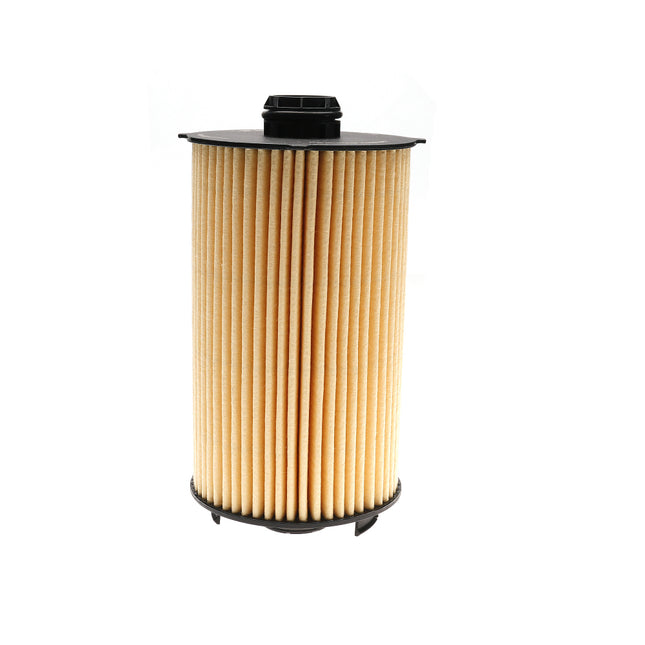
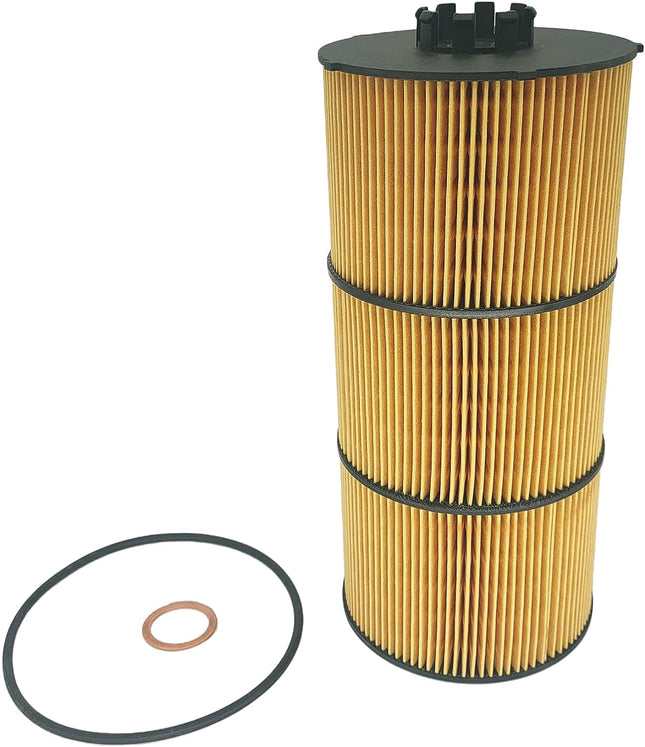
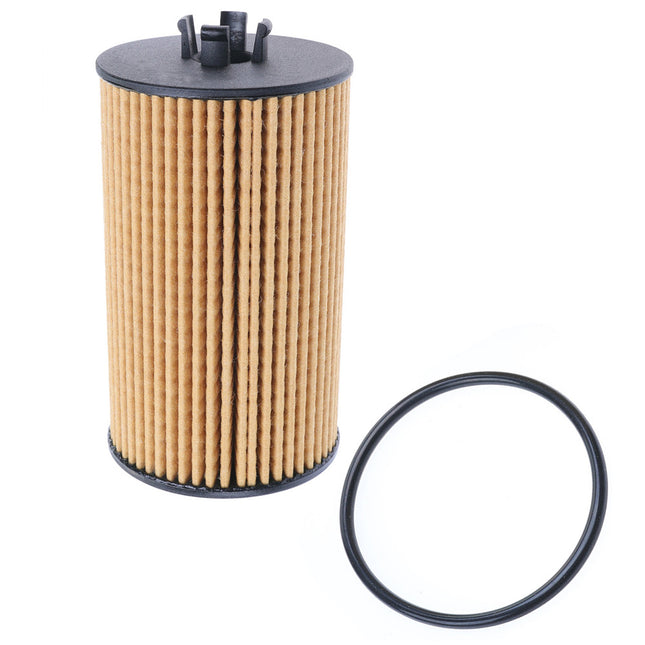
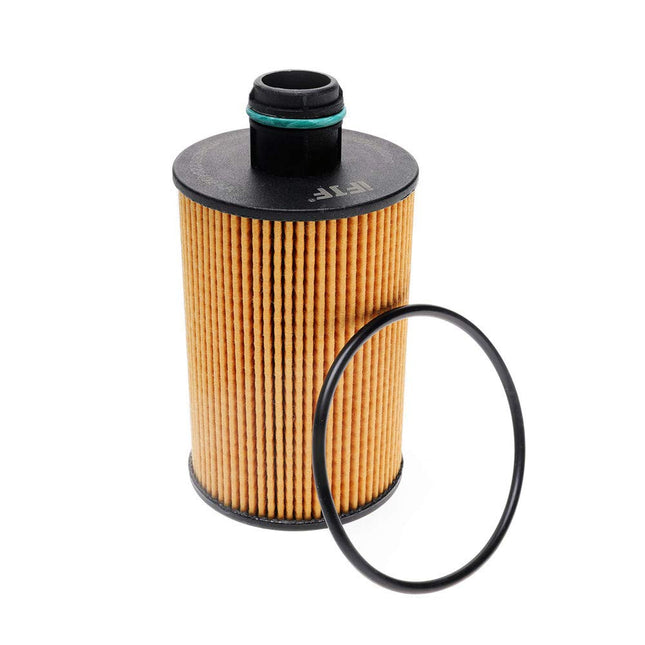
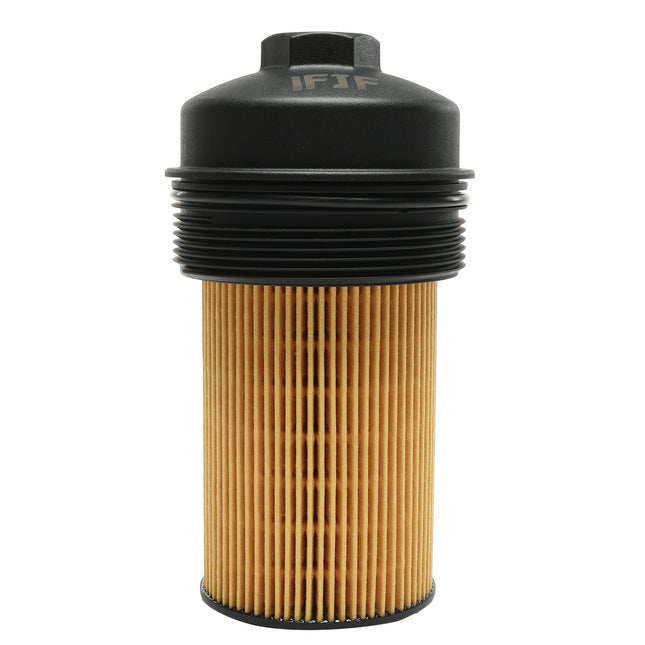
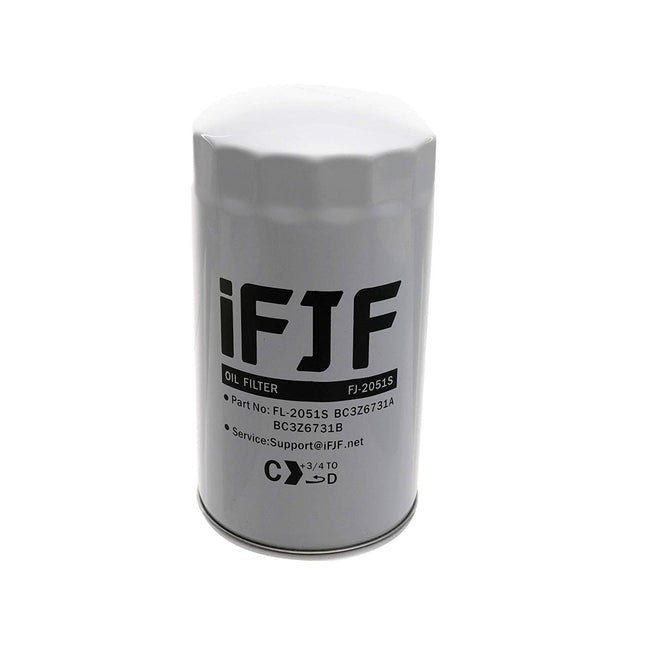
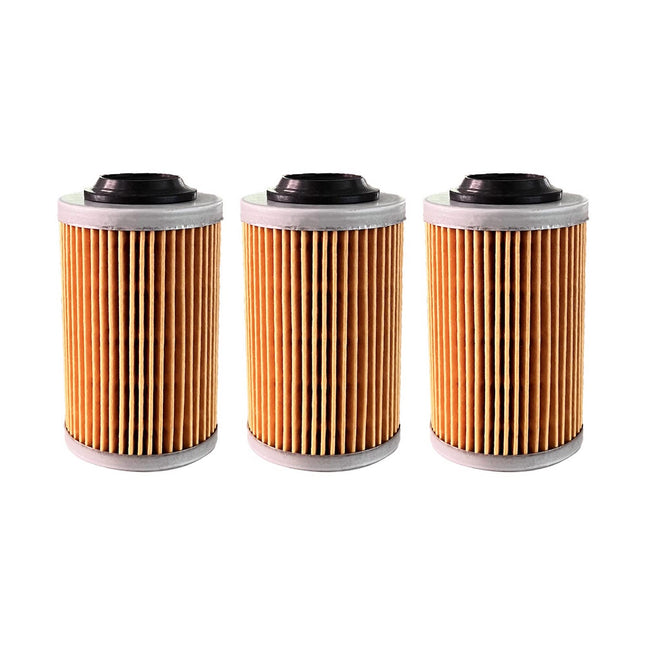
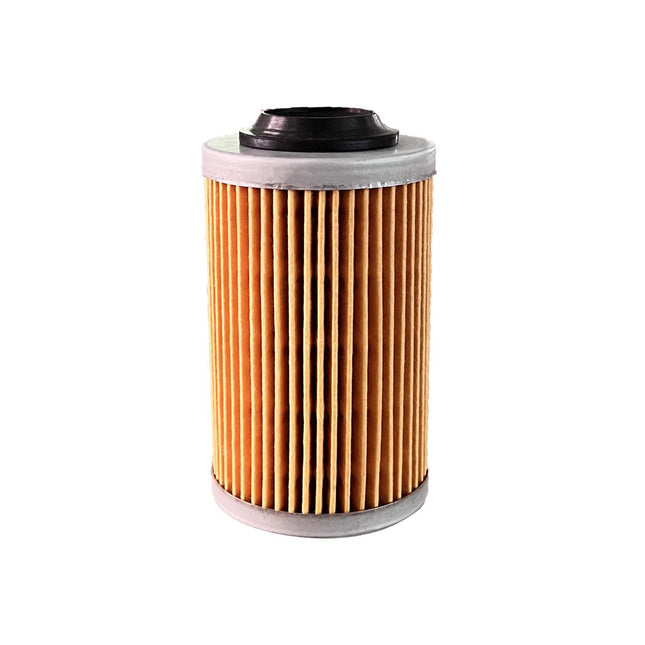
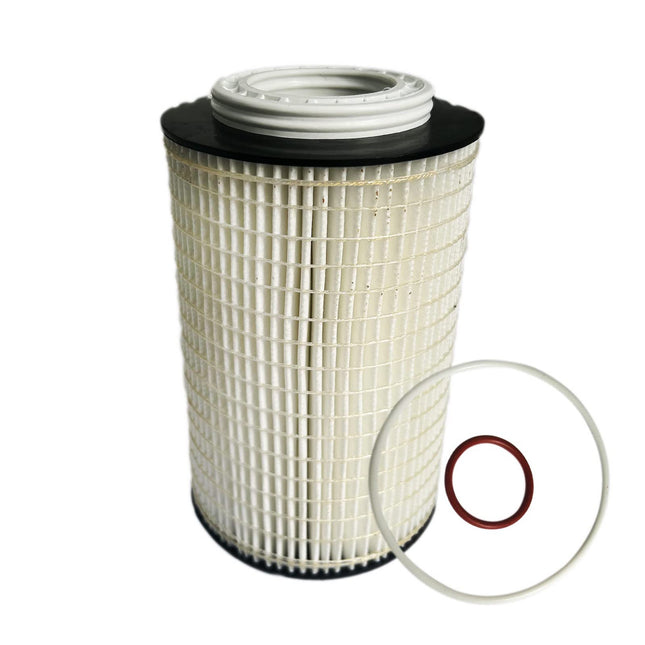
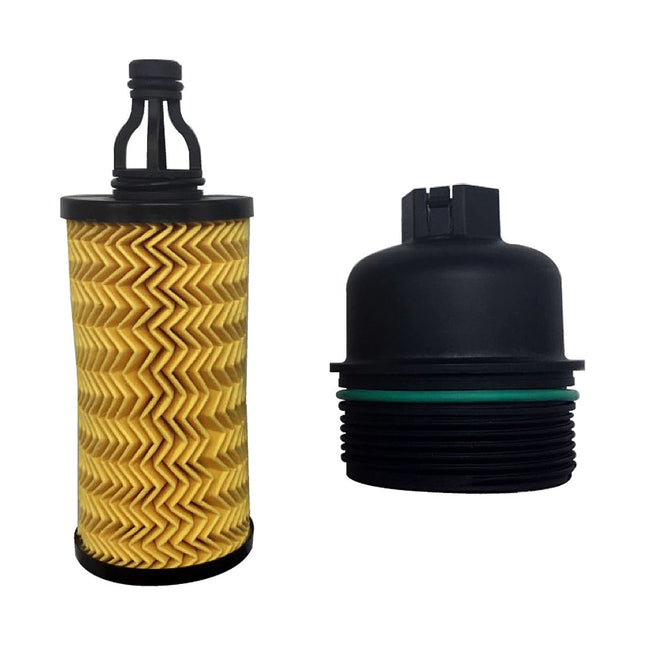
Cartridge-style element — Motorcraft FL-2051S or equivalent. 13 quarts of 10W-30 or 5W-40. Use only OEM-spec filters — aftermarket caps can crack under pressure from the 75+ PSI oil system. The cartridge housing requires a 36mm socket for removal — do not use channel locks on the cap.
Ford 6.0L Powerstroke (2003-2007)
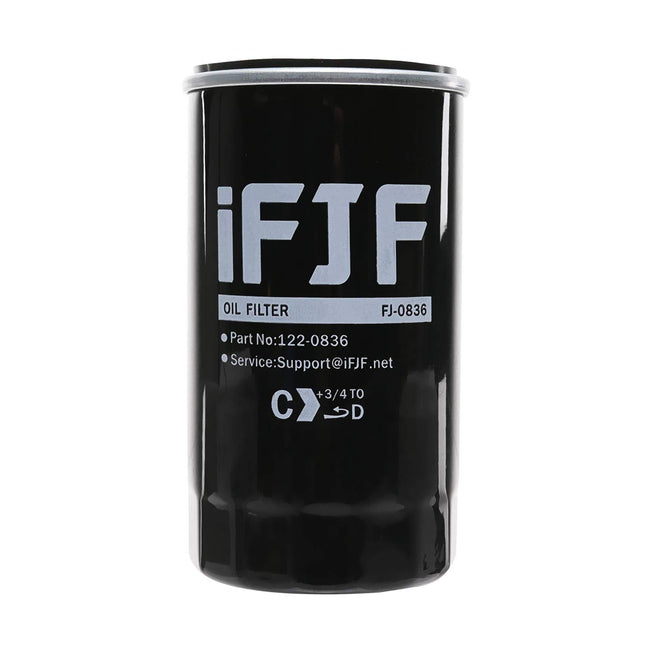
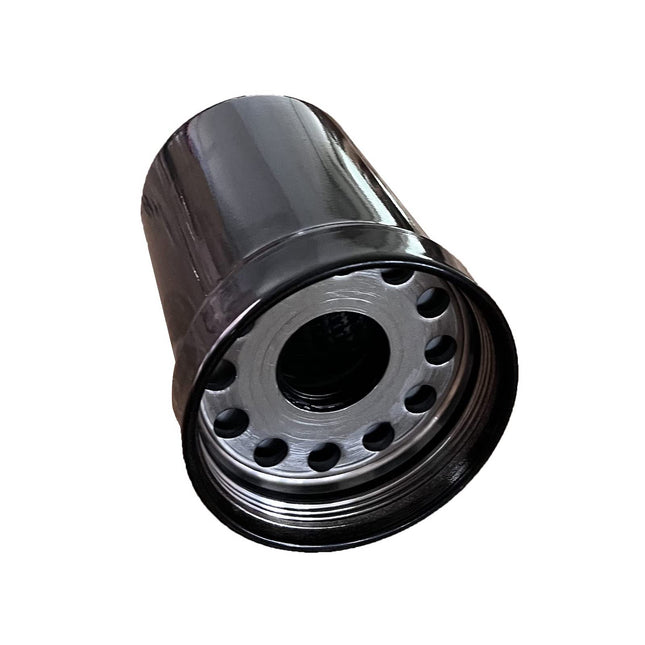
Tall spin-on filter — Motorcraft FL-2016. 15 quarts of 15W-40 (or 5W-40 synthetic for cold climates). The oil cooler is filter-dependent — low-quality filters with incorrect bypass valve calibration increase oil cooler clogging risk. The 6.0L's HEUI injection system uses engine oil at 500-3,600 PSI to fire injectors, making oil cleanliness critical for injector performance and preventing spool valve stiction.
Ford 7.3L Powerstroke (1994.5-2003)
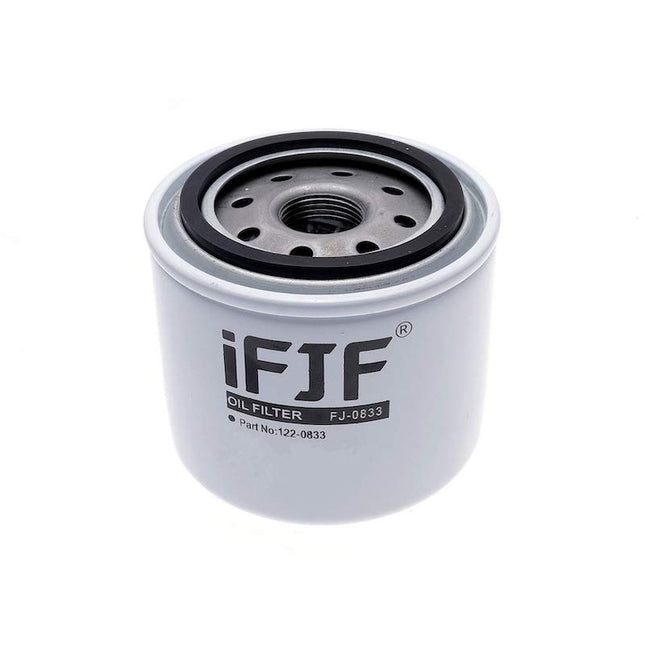
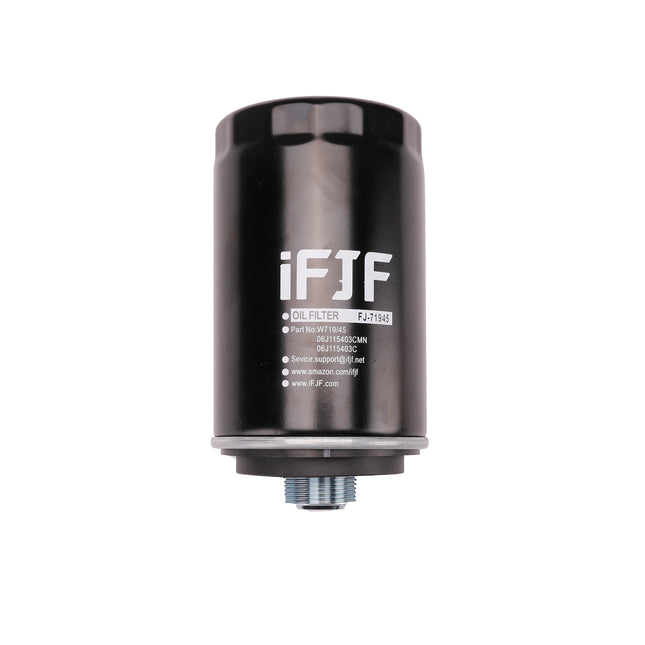
Standard spin-on — Motorcraft FL-1995. 15 quarts of 15W-40. The HEUI injection system makes clean oil critical for injector performance — contaminated oil accelerates injector wear in the high-pressure oil system. Change the oil and filter every 5,000 miles for trucks that tow or idle frequently.
GM Duramax 6.6L (2001+)
Cartridge filter — ACDelco PF-2232 (L5P/LML) or PF-2265 (earlier Duramax). 10 quarts of 15W-40. The filter housing cap requires correct torque (18 lb-ft) to prevent leaks. Always replace the cap O-ring with every filter change.
Ram Cummins 5.9L & 6.7L (1989+)
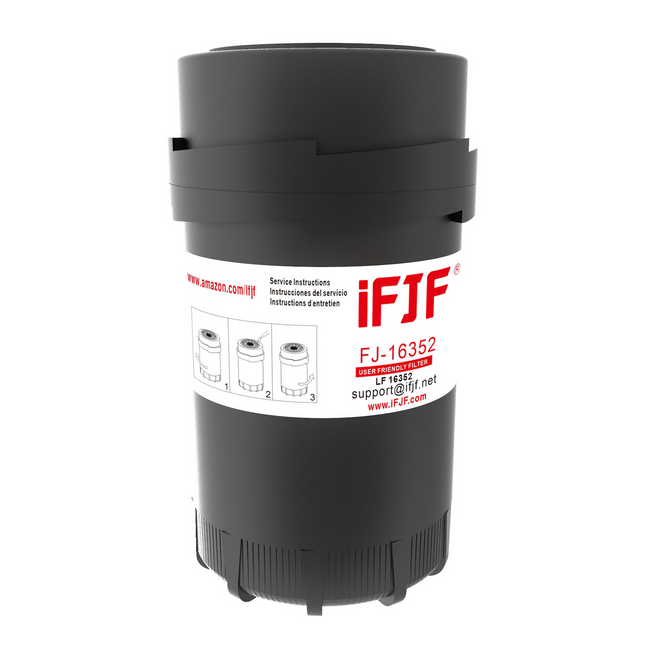
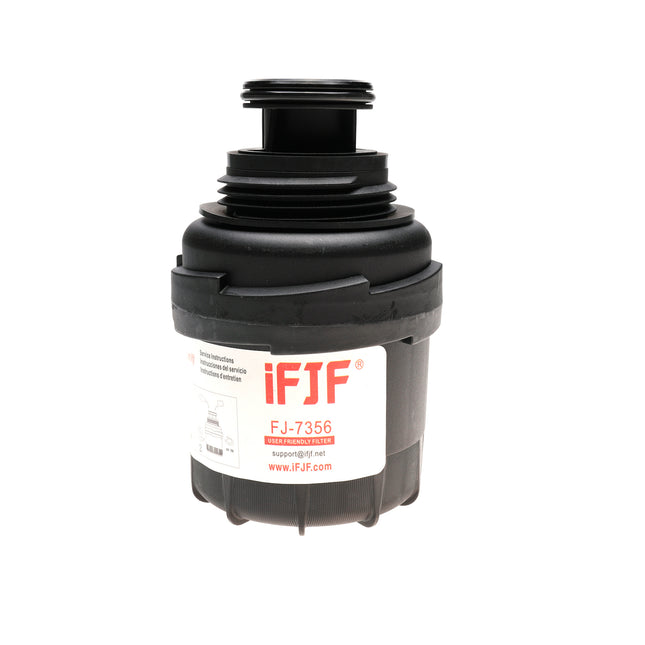
Large spin-on filter — Fleetguard LF-16035 or LF-3972. 12 quarts for both the 5.9L and 6.7L variants. Fleetguard Stratapore synthetic media is the OEM standard — it provides superior soot-holding capacity compared to conventional cellulose media.
Why Oil Filtration Matters for Diesels
- Soot Control: Diesel combustion produces carbon soot that the oil filter must trap to prevent abrasive wear on bearings, rings, and cylinder walls. High-quality filters use depth-loading synthetic media that captures particles as small as 15 microns.
- HEUI/CP4 Protection: Ford's HEUI injectors (7.3L, 6.0L) and the CP4.2 high-pressure fuel pump (6.7L) are lubricated by engine oil — clean oil directly correlates to injection system longevity.
- Turbocharger Life: The turbocharger shaft spins at 100,000+ RPM riding on a thin film of pressurized engine oil. Contaminated oil is the #1 cause of turbocharger bearing failure across all diesel platforms.
FAQ: Diesel Oil Filters
Q: Can I use a generic oil filter on my diesel?
A: Not recommended. Diesel oil filters require higher burst strength, better anti-drainback valve performance, and finer filtration media than gas-engine filters. A collapsed filter or stuck bypass valve can starve your engine of oil in seconds. Stick with Motorcraft (Ford), ACDelco (GM), or Fleetguard (Cummins) — the OEM manufacturers.
Q: How often should I change my diesel oil filter?
A: Change the filter with every oil change. Most diesel engines recommend 5,000-7,500 miles for severe service or 7,500-15,000 for highway use. If you tow heavy, idle frequently, or run biodiesel blends, change at the shorter interval. Never skip the filter change — pouring fresh oil through a loaded filter wastes your money and your engine's protection.
Q: What's the difference between cellulose and synthetic filter media?
A: Cellulose media filters particles down to approximately 25-40 microns. Synthetic media (like Fleetguard Stratapore) filters down to 15 microns absolute. The smaller the micron rating, the more soot and wear particles captured. For modern common-rail and HEUI diesels with tight internal clearances, synthetic media is strongly recommended.
Maintenance Schedule & Best Practices for Diesel Oil Changes
Service Intervals by Use Case: Oil change intervals on diesel engines are not one-size-fits-all. Under ideal highway conditions with synthetic oil, some manufacturers allow intervals up to 15,000 miles. But for trucks that tow heavy (over 80% of GCWR), idle extensively (PTO operation, cold-weather warm-up, construction site use), or operate in dusty environments, change at 5,000 miles without exception. Diesel soot loading accelerates dramatically under load — a truck towing a 15,000-pound fifth-wheel accumulates as much soot in 3,000 miles as a highway commuter does in 12,000. The oil analysis lab is your best friend: send a sample to Blackstone Labs at every other oil change and let the TBN (Total Base Number) and soot percentage guide your intervals.
Filter Priming — Critical Step: For spin-on oil filters (7.3L Powerstroke, 5.9L/6.7L Cummins), fill the new filter with clean oil before installation. A dry filter holds nearly a quart of air — that's a quart of air your oil pump has to push through the bearing galleries before oil pressure builds. For cartridge-style filters (6.7L Powerstroke, Duramax), install the cartridge dry but fill the housing with fresh oil before reinstalling the cap. The 6.7L Powerstroke cartridge housing can be topped off through the oil fill cap to accelerate priming.
Bypass Filtration Systems: For trucks targeting extended drain intervals or maximum engine longevity, a bypass oil filtration system filters a small percentage of oil flow through an ultra-fine media (typically 2-micron absolute) while the full-flow filter handles the bulk volume. Bypass filters remove soot particles too small for full-flow filters to catch, keeping oil analytically clean for intervals up to 25,000 miles when paired with oil analysis. The most popular platforms for bypass filtration are the 6.7L Cummins (Amsoil BMK-31 dual bypass) and 7.3L Powerstroke (Frantz toilet-paper style bypass — old school but proven).
The Oil Cap Torque Trap: The #1 DIY mistake on cartridge-filter diesels is overtightening the oil filter housing cap. The 6.7L Powerstroke cap requires 18 lb-ft — no more. Overtightening cracks the plastic cap at the base of the hex, and a cracked cap can blow off under pressure, dumping 13 quarts of oil in seconds. The Duramax oil filter cap requires exactly 18 lb-ft as well. If you don't own a torque wrench that reads accurately below 25 lb-ft, buy one before your next oil change. Finger-tight plus a quarter-turn with a ratchet is not a substitute for a torque wrench — we see cracked caps from this approach weekly.
Oil Filter Compatibility Cross-Reference
Use this table to cross-reference OEM oil filter part numbers across major brands. All filters listed meet or exceed OEM specifications for filtration efficiency, burst strength, and anti-drainback valve performance.
| Engine | Motorcraft / ACDelco / Fleetguard (OEM) | WIX | NAPA Gold | Baldwin | Donaldson |
|---|---|---|---|---|---|
| Ford 6.7L Powerstroke (2011+) | FL-2051S | 57620 | 7620 | B7379 | P502067 |
| Ford 6.0L Powerstroke | FL-2016 | 57314 | 7314 | B7246 | P550407 |
| Ford 7.3L Powerstroke | FL-1995 | 57314 | 7314 | B7244 | P550952 |
| GM Duramax L5P (2017+) | ACDelco PF26 / PF2232 | 57202 | 7202 | B1441 | P502064 |
| GM Duramax LML (2011-2016) | ACDelco PF2232 | 57202 | 7202 | B1441 | P502064 |
| GM Duramax LB7/LLY/LBZ/LMM | ACDelco PF2232 | 57202 | 7202 | B1441 | P502064 |
| Ram 6.7L Cummins (2007.5+) | Fleetguard LF16035 | 57620XE | 7620XE | BT7349 | P502503 |
| Ram 5.9L Cummins (1989-2007) | Fleetguard LF3972 | 51607 | 1607 | B7039 | P550550 |
A Note on Cross-Reference Accuracy: While these cross-references are accurate as of publication, manufacturers occasionally change filter specifications. For 6.7L Powerstroke applications in particular, only use filters that explicitly state compatibility with the 6.7L — some filters that physically fit the housing lack the correct bypass valve calibration for the 6.7L's 75+ PSI oil system. When in doubt, use the OEM filter. The price difference between OEM and aftermarket is typically $5-10 — cheap insurance for a $12,000 engine.
Common Oil Filter Problems & Diagnosis
Oil Filter Collapse: A collapsed or crushed filter element indicates either (1) the filter bypass valve is stuck closed — replace the filter immediately and inspect the oil pressure relief valve, or (2) the oil is so heavily contaminated that it physically cannot pass through the media. This is most common on 6.0L Powerstroke engines where a failed oil cooler introduces coolant into the oil, creating a sludge that plugs the filter. If you find a collapsed filter, cut it open with a filter cutter — gray sludge confirms oil cooler failure.
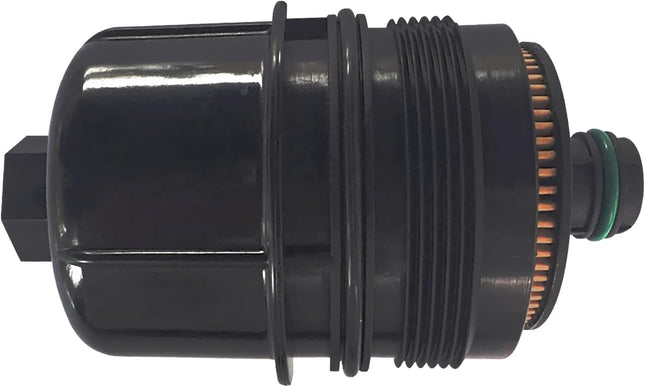
Oil Leaking from Filter Housing Cap: On 6.7L Powerstroke and Duramax cartridge-filter engines, a leak from the housing cap is caused by: (1) missing or pinched O-ring — the new O-ring must seat in the correct groove, not the thread area, (2) cracked cap from overtightening, or (3) a stuck bypass valve allowing full system pressure against the cap. Replace the cap and O-ring as a set.
Hard Starts After Oil Change (6.0L Powerstroke): The 6.0L's HEUI injection system requires oil pressure to fire the injectors. If the high-pressure oil reservoir drains during a filter change, the engine may crank for 30-60 seconds before building enough pressure to start. To prevent this: (1) fill the new filter with oil before installing, (2) after the oil change, unplug the FICM relay and crank for 15 seconds to build oil pressure without firing the injectors, then (3) reconnect the relay and start normally. This prevents extended dry cranking that wears the starter and drains the batteries.
Related Collections
Explore our full range of diesel performance and maintenance parts.