








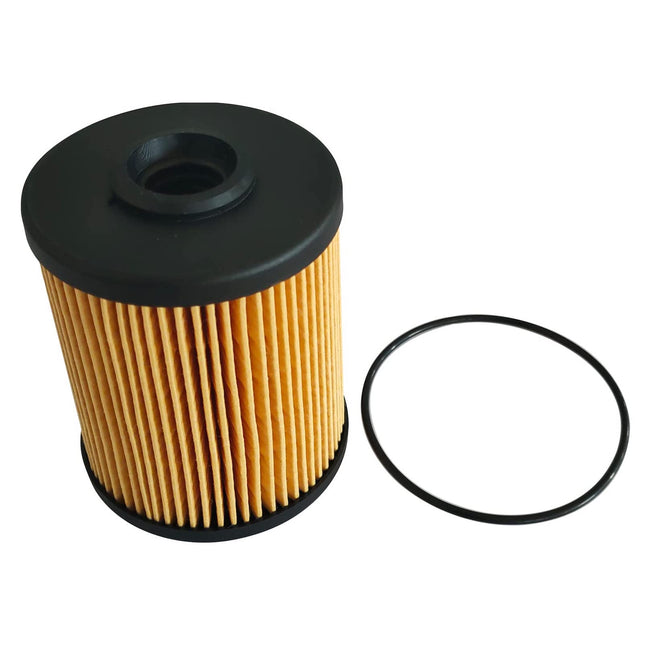
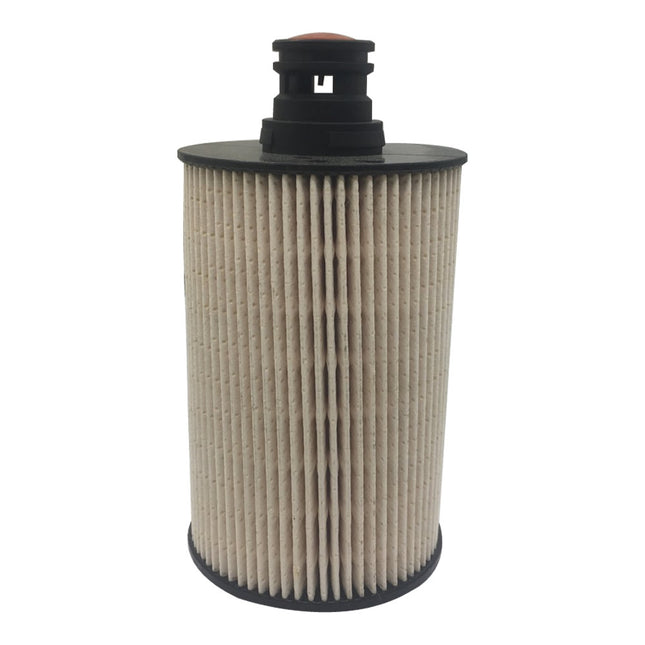
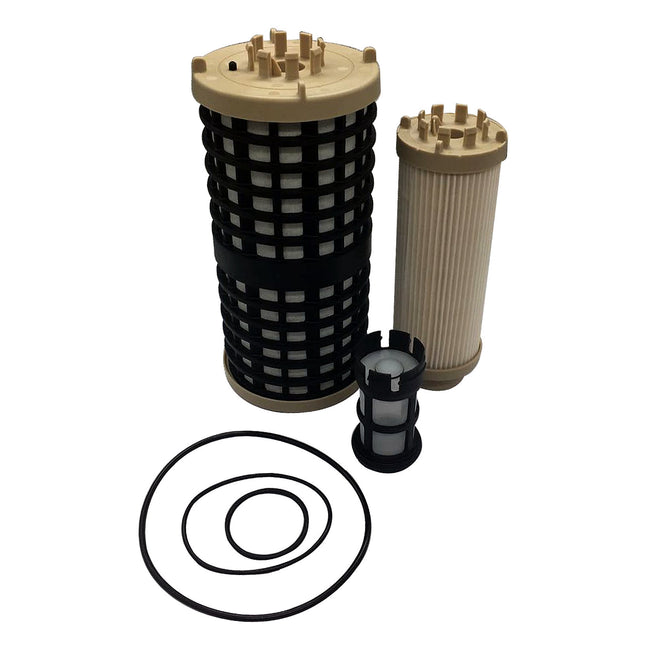
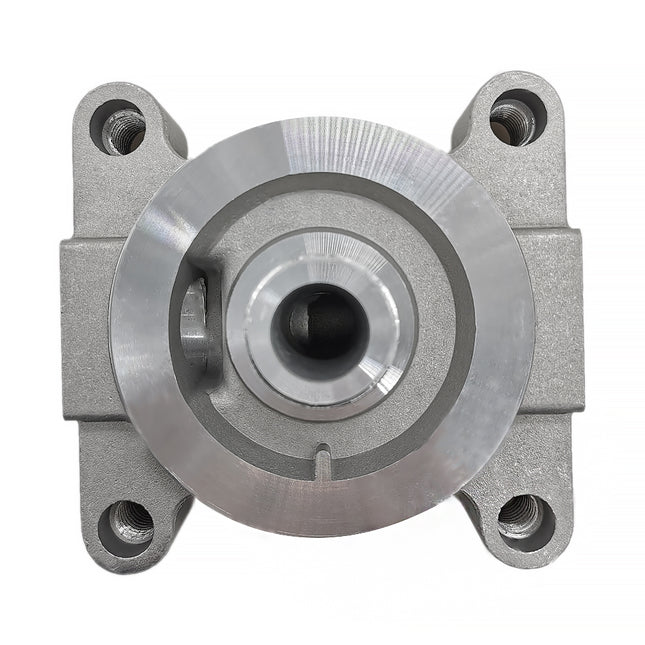
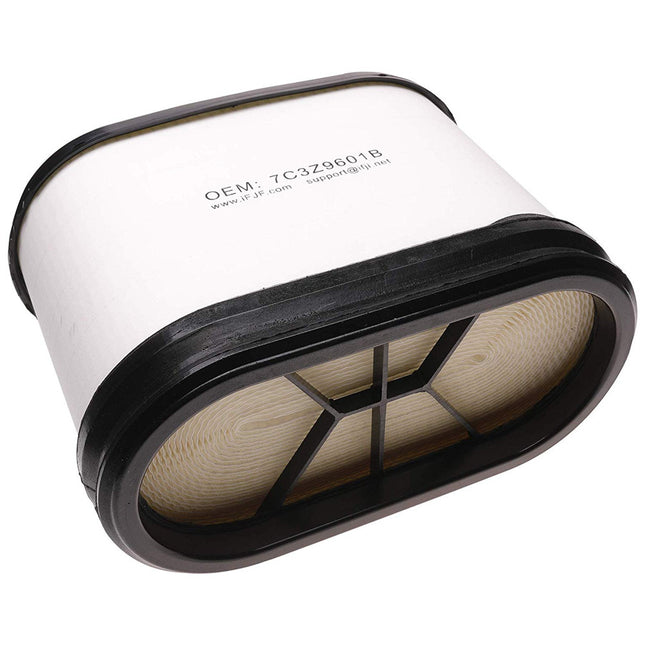

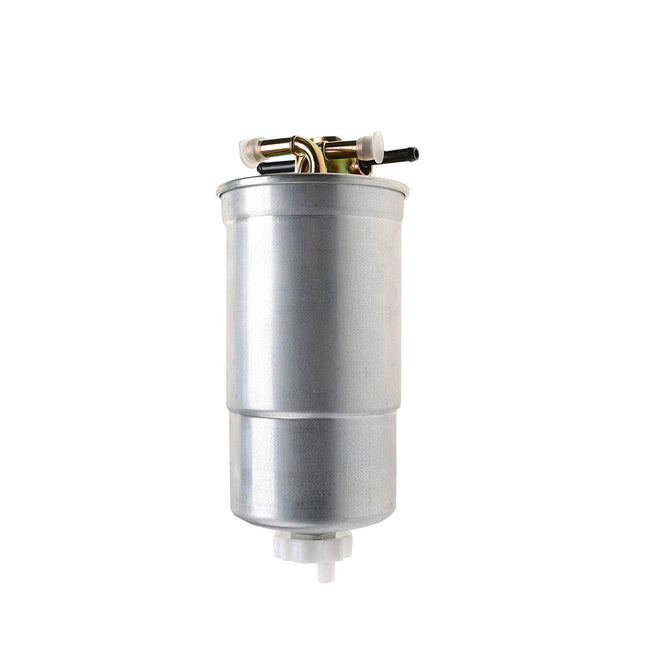

Diesel Fuel Filters, Water Separators & Filtration Systems
Diesel fuel contamination is the single most common cause of premature injector and high-pressure pump failure in modern common-rail engines. With injection systems operating at pressures exceeding 30,000 PSI and fuel injector nozzle clearances measured in single-digit microns, even invisible levels of water and particulate contamination can cause abrasive wear, cavitation erosion, and catastrophic seizure. The fuel filtration system is your engine's first and most critical line of defense against contaminated fuel.
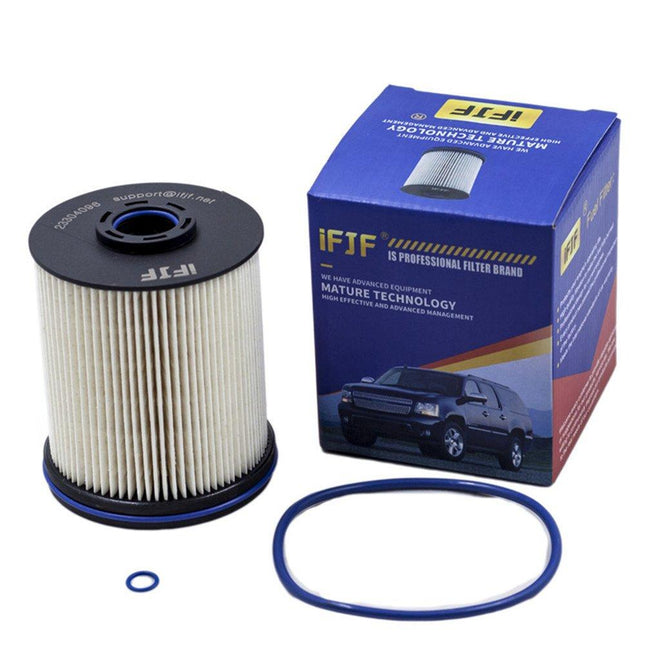
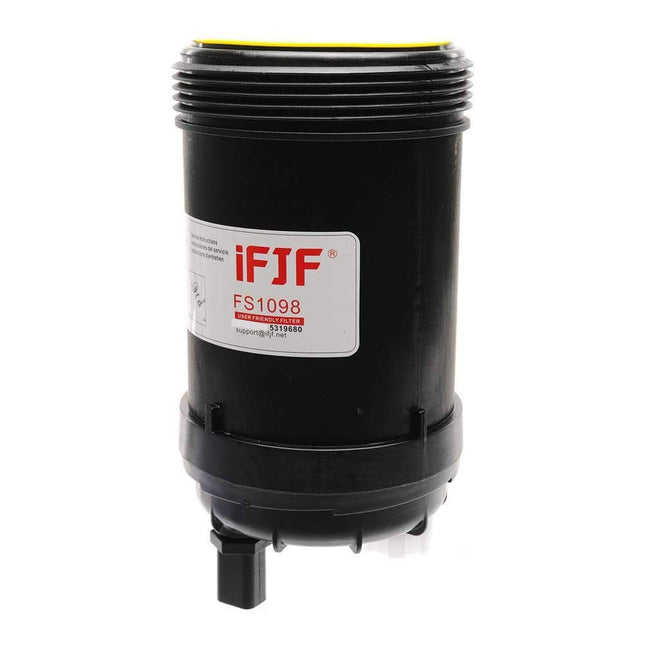
iFJF Direct supplies a complete range of diesel fuel filter assemblies, fuel water separators, and replacement filter elements engineered for the most popular diesel truck, RV, and marine platforms in North America. From the Duramax 6.6L to the Cummins 6.7L and Powerstroke 6.0L/6.7L, our fuel filters are manufactured to meet or exceed OEM filtration efficiency, water separation performance, and flow capacity specifications. Every filter we sell undergoes multi-stage quality inspection to ensure consistent media integrity, drain valve function, and thread accuracy.
Why Diesel Fuel Filtration Matters
Modern high-pressure common-rail (HPCR) diesel injection systems depend on fuel that is clean, dry, and free of abrasive particles. Here is what happens when fuel filtration is inadequate:
- Injector nozzle erosion: Hard particulates as small as 3-5 microns — invisible to the naked eye — act like sandblasting media inside injector nozzles. Over time, eroded nozzle orifices lose their precise spray pattern, causing incomplete atomization, cylinder-to-cylinder imbalance, and reduced power. A set of six Duramax L5P injectors costs over $3,000 in parts alone.
- High-pressure pump scoring: CP3, CP4, and Denso HP4 pumps rely on fuel for both combustion and internal lubrication. Abrasive particles score pump plungers and barrels, causing internal leakage that reduces rail pressure. The notoriously failure-prone CP4.2 pump on 2011-2016 LML Duramax and 2011-2023 6.7L Powerstroke engines is particularly vulnerable — a seized CP4 sends metallic debris throughout the entire fuel system, often requiring a $8,000-$12,000 complete fuel system replacement.
- Water-induced corrosion and microbial growth: Free water in diesel fuel causes rust inside steel fuel tanks, lines, and injector bodies. It also supports diesel bug — colonies of bacteria and fungi that thrive at the fuel-water interface, producing acidic byproducts and slime that plug filters and corrode injection components.
- Wax precipitation in cold weather: Water-saturated fuel filters freeze in sub-zero temperatures, forming ice crystals that block fuel flow. This is why diesel engines that "ran fine yesterday" suddenly refuse to start on a cold morning — the filter is iced over.
A quality fuel filtration system with 10-micron absolute filtration and effective water separation prevents every one of these failure modes. The cost of a premium fuel filter assembly — typically $60-$150 — is negligible compared to the multi-thousand-dollar consequences of injector or pump failure.
Common Symptoms of Clogged or Failing Fuel Filters
Fuel filters have a finite service life. Recognizing the warning signs of a clogged filter can prevent you from being stranded:
- Hard starting or extended cranking: A restricted filter starves the high-pressure pump of fuel during cranking when lift pump flow is at its lowest. The engine cranks longer than normal before firing — this is often the earliest warning sign.
- Loss of power under load: As filter restriction increases, the engine cannot pull enough fuel volume to sustain demanded rail pressure at high load. You will feel power fall off when towing uphill or merging onto the highway. This is the most common mid-stage symptom.
- Engine surging or stumbling: Intermittent fuel starvation causes surging at steady throttle — the engine feels like it is "hunting" for the right RPM. This can be mistaken for a transmission or turbo issue.
- Water-in-fuel warning light: Most modern diesel trucks have a WIF (Water In Fuel) sensor in the filter housing or water separator. When this light illuminates, water has accumulated to the sensor level and must be drained immediately. Ignoring the WIF light can allow water to reach the high-pressure pump within a few hundred miles of driving.
- Check Engine Light with fuel pressure codes: P0087 (fuel rail pressure too low), P0088 (fuel rail pressure too high, as the pump compensates for restriction), and P0191 (fuel rail pressure sensor range/performance) all suggest fuel delivery issues that may originate at a clogged filter.
- Visible contamination in filter bowl: On clear-bowl filter assemblies, black or brown discoloration of the filter media, metallic sparkle (indicating pump or injector wear debris), or visible water layer at the bottom of the bowl are all definitive signs that the filter needs immediate replacement.
- Reduced fuel economy: A restricted filter causes the ECU to command higher injection duration to compensate for reduced rail pressure, burning more fuel for the same power output.
Fuel Filter Buying Guide
1. Micron Rating — Absolute vs. Nominal
The most important specification on any fuel filter is its micron rating. Absolute micron rating means the filter captures at least 98.7% of particles at that size. Nominal micron rating means the filter captures roughly 50% at that size — far less protective. iFJF filters are rated at 10-micron absolute, matching or exceeding OEM specifications. Avoid filters advertised only with nominal ratings — they allow significantly more contamination through to your injection system.
2. Water Separation Efficiency
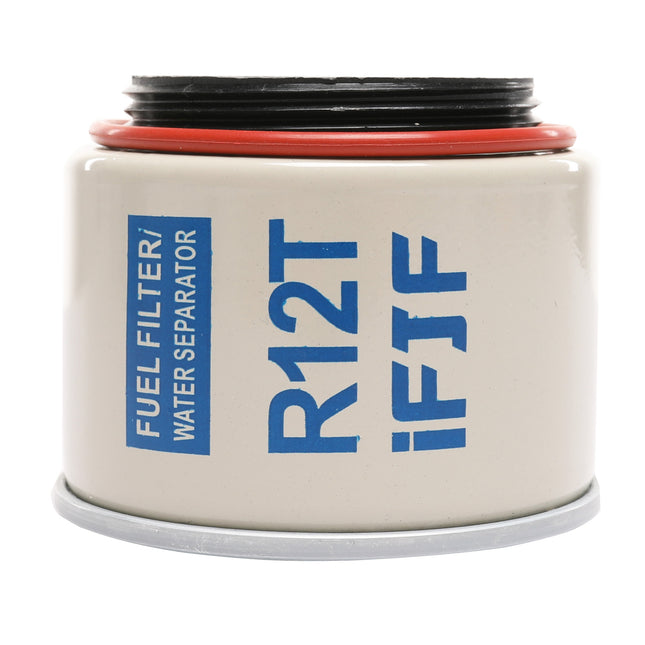
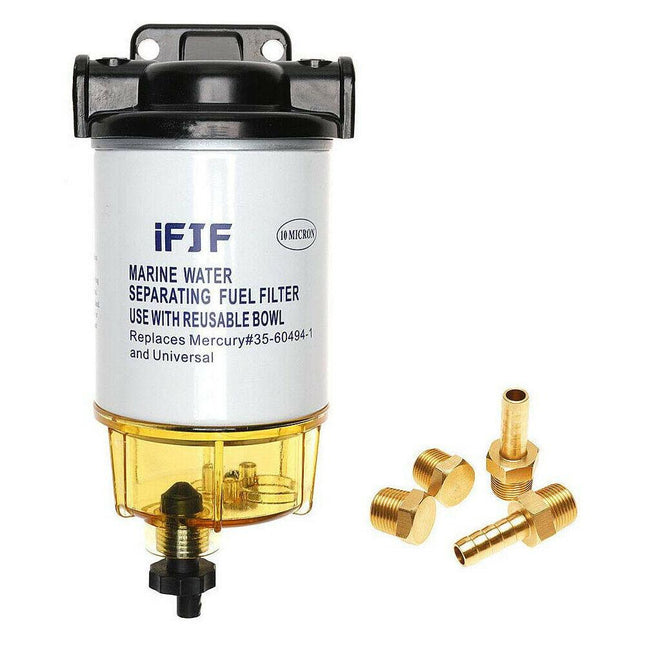
Fuel water separators use coalescing media that causes tiny water droplets to combine into larger droplets that fall to the collection bowl. Look for separators rated at 95%+ water removal efficiency. The R12T and S3213 assemblies we carry achieve 99%+ efficiency in SAE J1488 testing. Clear collection bowls allow visual inspection without removing the filter — a critical convenience feature for daily drivers and fleet operators.
3. Flow Rate Capacity (GPH)
Your fuel filter assembly must flow enough fuel at peak demand without excessive restriction. A Duramax L5P at wide-open throttle consumes approximately 60-70 gallons per hour. Our assemblies are rated for 90+ GPH — a healthy safety margin. Installing an undersized filter creates a flow bottleneck that starves the high-pressure pump under load.
4. Thread Type — NPT vs. BSPP
Port thread type is a common source of installation frustration. North American vehicles typically use NPT (National Pipe Thread) fittings. Many aftermarket and marine applications use BSPP (British Standard Pipe Parallel) — commonly labeled ZG1/4-19. These thread types are not interchangeable despite appearing similar. Forcing a BSPP fitting into an NPT port (or vice versa) damages threads and creates leaks. Our R12T combo kit includes both NPT and BSPP adapters to solve this exact problem.
5. Filter Media Type
Premium diesel fuel filters use synthetic micro-glass media or cellulose-synthetic blend media. Synthetic media provides higher dirt-holding capacity and more consistent pore size distribution than pure cellulose. It also resists water degradation — cellulose media can swell and collapse when exposed to high water concentrations. iFJF filters use synthetic-blend media rated for water resistance and high-capacity contaminant loading.
6. OEM Cross-Reference Compatibility
Every iFJF fuel filter includes verified cross-reference part numbers for WIX, NAPA, Baldwin, Fleetguard, Donaldson, and Racor equivalents. This allows you to confirm compatibility with your existing filter housing and ensures the filter matches your service documentation. Cross-reference charts are listed on each product page.
Fuel Filter Installation Tips & Best Practices
- Prime the new filter with clean diesel fuel before installation. Filling the filter housing with fuel reduces cranking time and prevents the high-pressure pump from running dry during the first start. For spin-on filters, fill the canister to the top of the center tube. For cartridge-style filters, fill the housing bowl.
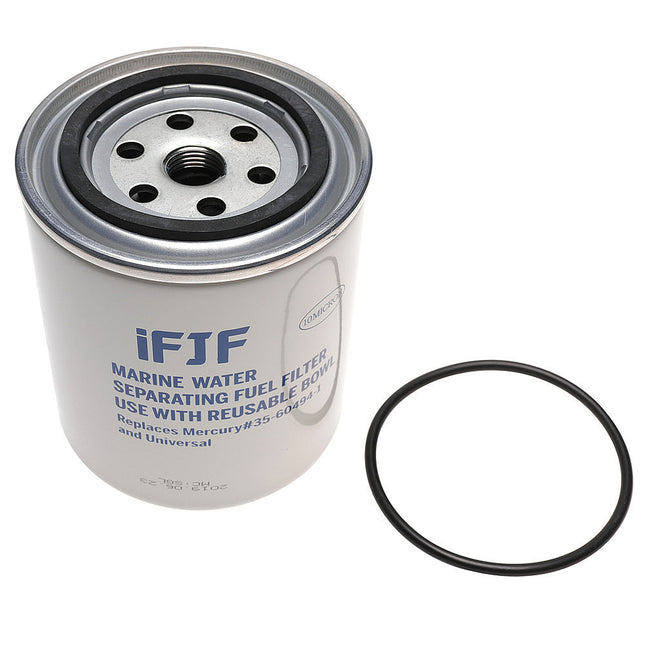
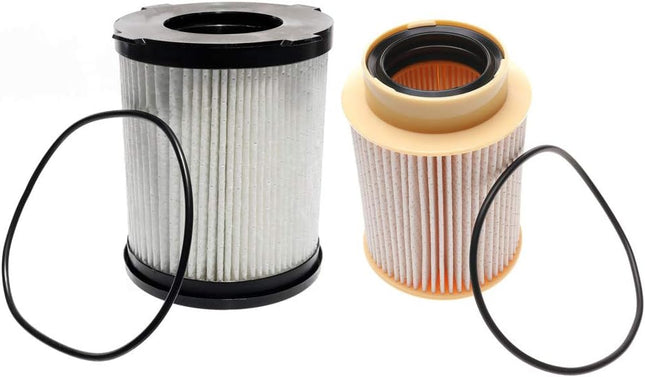
- Lubricate the gasket or O-ring with clean diesel fuel or engine oil. A dry gasket can bind, twist, or tear during tightening, creating a leak path. Spin-on filter gaskets should be lubricated across the entire sealing surface. Cartridge filter O-rings require lubrication on both the O-ring and the housing groove.
- Hand-tighten plus 3/4 turn, no more. Spin-on filters seal by gasket compression, not by torque. Over-tightening crushes the gasket beyond its elastic limit and makes the filter difficult to remove at the next service interval. If the filter leaks after hand-tightening, the gasket is likely damaged or the mounting surface is contaminated — inspect, clean, and reinstall rather than tightening further.
- Cycle the key to prime (electric lift pump vehicles). On Duramax, Cummins, and Powerstroke engines with electric lift pumps, cycle the ignition key to "RUN" (not "START") for 30 seconds, then off for 10 seconds. Repeat 3-4 times. The lift pump will fill the filter housing and purge air from the low-pressure side. Listen for the pump tone to change from a fast clicking (air) to a steady hum (fuel).
- Use the manual primer pump on mechanical lift pump systems. Many older diesel engines (12V Cummins, 7.3L Powerstroke, early 6.5L GM) use a mechanical diaphragm lift pump with a manual primer button or lever on the filter housing. Pump until firm resistance is felt, indicating the housing is full and air has been purged.
- Dispose of old filters and fuel properly. Used diesel fuel filters are classified as hazardous waste in many jurisdictions. Drain filters completely into a sealed container, bag the filter, and dispose of it at an auto parts store or household hazardous waste facility. Never pour diesel-contaminated water down a storm drain.
Fuel Filter Maintenance & Service Intervals
- Standard service interval: Replace the fuel filter every 15,000 miles or every other oil change, whichever comes first. This interval aligns with the severe-service schedule recommended by Cummins, Duramax, and Powerstroke engineering teams for North American fuel quality conditions.
- Severe-duty interval: If you operate in high-dust environments (construction sites, agricultural fields, off-grid locations), fuel from high-risk sources (bulk storage tanks, marina fuel docks), or extreme cold climates, reduce the interval to every 7,500 miles. Bulk storage tanks often contain accumulated water and sediment that overwhelms the filter faster than retail pump fuel.
- Water separator drain schedule: Drain the water separator bowl every 5,000 miles or at every oil change. In marine applications or humid climates, check weekly. Water accumulation varies dramatically with climate and fuel source — a vehicle refueling from the same bulk tank all summer may need no draining, while a truck refueling at random stations during rainy season may accumulate water in days.
- Filter inspection at every oil change: Cut open the used filter element with a filter cutter tool (not a hacksaw, which introduces metal shavings). Spread the media flat and inspect with a bright light. Metallic particles indicate pump or injector wear — send an oil sample for analysis. Black sludge indicates microbial growth (diesel bug) — treat the fuel tank with a biocide.
- Cold-weather preparation: Before winter, replace the fuel filter with a fresh element and add a diesel fuel anti-gel treatment to the tank. A partially loaded filter with normal water content is the component most likely to gel or ice-over in sub-zero conditions.
- Fuel pressure monitoring: Install a fuel pressure gauge or monitor lift pump pressure through an OBD-II scanner. Normal lift pump pressure for most common-rail trucks is 8-12 PSI at idle and 5-8 PSI under load. A filter nearing end-of-life will show 2-4 PSI lower than normal — replace before it drops below 2 PSI.
Related Categories
- Marine Fuel Filters & Water Separators — Dedicated marine-grade filtration for outboard and inboard engines with corrosion-resistant construction for saltwater environments.
- EGR Delete Kits & Block-Off Plates — Improve engine breathing and eliminate carbon buildup with precision-engineered delete solutions for diesel and gas trucks.
- Oil Filters & Filtration — Complete your filtration system with high-efficiency engine oil filters rated for extended drain intervals.
- Engine Parts & Components — Gaskets, seals, sensors, and engine hardware for comprehensive diesel engine maintenance.
Frequently Asked Questions
How often should I really change my diesel fuel filter?
Every 15,000 miles under normal conditions, every 7,500 miles under severe conditions. These numbers are not arbitrary — they are derived from fuel quality surveys showing that North American diesel fuel averages 9-15 mg/L of particulate contamination, and a standard filter element has a dirt-holding capacity of approximately 15-20 grams before restriction exceeds safe limits. If you operate in Mexico or Central America, where fuel quality is significantly lower, filter changes every 5,000 miles are strongly recommended. The small cost of more frequent filter changes is insignificant compared to the cost of injector replacement.
What is the difference between a fuel filter and a fuel water separator?
A fuel filter primarily removes solid particulate contamination. A fuel water separator is specifically designed with coalescing media that forces tiny water droplets to combine into larger droplets, which then settle into a collection bowl by gravity. Most modern diesel filter assemblies — including the R12T, S3213, and OEM Duramax/Cummins/Powerstroke filter housings — serve both functions in a single unit: the media captures particulates while coalescing water. The key indicator is whether the housing has a drain valve or WIF sensor at the bottom — if it does, water separation is a primary design function.
Can I use an aftermarket fuel filter instead of the OEM filter?
Yes — provided the aftermarket filter matches or exceeds the OEM micron rating, flow capacity, and water separation efficiency. iFJF filters are manufactured to meet or exceed OEM specifications for filtration efficiency and are tested to SAE J1985 (fuel filter test standard) and SAE J1488 (water separation test). A quality aftermarket filter is functionally equivalent to the OEM filter at a significantly lower cost. Avoid no-name filters sold on price alone — the filtration media in these units often uses inconsistent pore sizes and cellulose that degrades in the presence of water.
Why does my Duramax fuel filter housing keep leaking after a filter change?
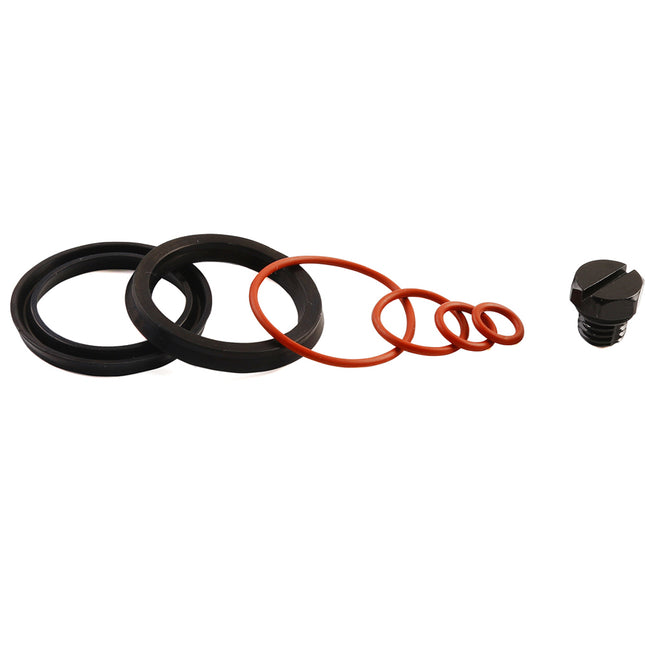
The most common cause of Duramax filter housing leaks is a pinched, twisted, or missing O-ring on the filter cap or filter element. The Duramax filter housing uses a cartridge-style element with an O-ring that seals the center tube — if this O-ring is not fully seated in its groove, fuel bypasses the filter and leaks from the cap. Other causes include: the bleeder screw O-ring being damaged or missing, the filter cap not being fully threaded (it requires approximately 1/4 turn past hand-tight to seat the seal), or the WIF sensor seal at the bottom of the housing being degraded. Inspect all sealing surfaces under bright light and replace any O-ring that shows flattening, cracking, or nicks.
Do I need a lift pump upgrade if I install a higher-efficiency fuel filter?
Generally, no — if your filter assembly's flow rating matches or exceeds the engine's peak fuel demand. A Duramax L5P consumes approximately 65 GPH at wide-open throttle; our 90+ GPH rated assemblies provide ample flow without creating a restriction. However, if you are running significantly larger injectors, an upgraded turbo, or a performance tune that increases fuel demand beyond stock levels, a lift pump upgrade (such as a FASS or AirDog system) becomes beneficial — and those systems include their own integrated filtration, making the stock filter housing redundant in many installations.