




Diesel Fuel Filters: The Complete Guide to Protecting Your Engine
Diesel fuel filters are the first and most critical line of defense between your fuel tank and your engine's precision injection system. Whether you're running a heavy-duty pickup like a Ram 2500 Cummins or Ford F-250 Power Stroke, operating agricultural tractors and combines, or managing a fleet of commercial trucks, your diesel fuel filter works around the clock to trap water, rust particles, dirt, algae, and abrasive contaminants before they can reach your injectors and high-pressure fuel pump. A single grain of sand smaller than a human hair can destroy a common-rail injector that operates at pressures exceeding 30,000 PSI. That's why diesel fuel filtration isn't just a maintenance item—it's engine insurance.
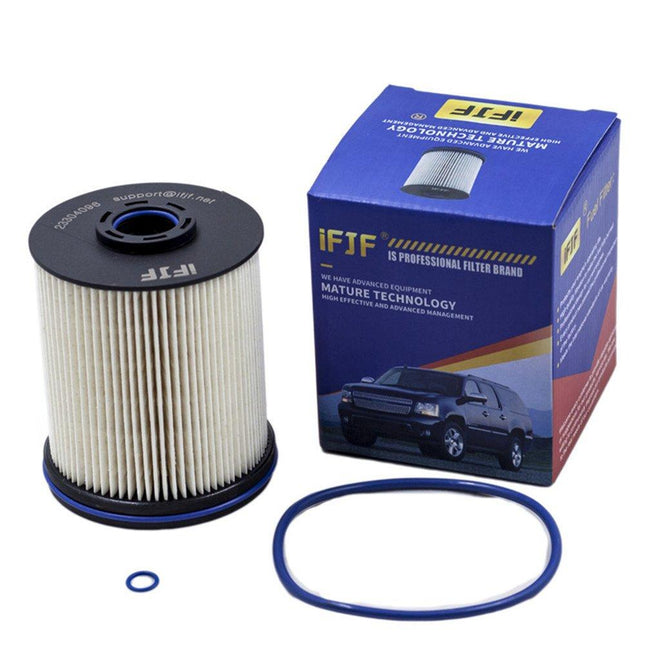
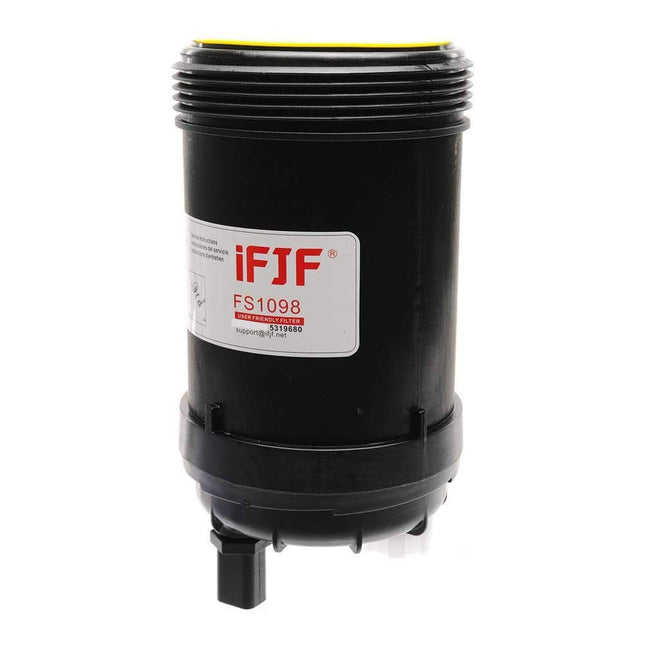
Modern diesel fuel filters must handle increasingly complex demands. Ultra-low sulfur diesel (ULSD) and biodiesel blends introduce new contamination challenges, while common-rail injection systems with tighter tolerances demand filtration down to 2-5 microns. At iFJF Direct, we stock a complete range of diesel fuel filters engineered for all major applications: spin-on cartridge filters for light-duty trucks, large-capacity canister filters for commercial equipment, and water-separating fuel filters that combine particulate filtration with moisture removal in a single unit. Our filters feature high-efficiency cellulose, synthetic, or blended media rated from 2 to 30 microns, with flow rates matched to your engine's fuel consumption demands. Whether you need a direct OEM replacement or a heavy-duty upgrade, the right diesel fuel filter keeps your engine running cleaner, longer, and more efficiently.
Why Diesel Fuel Filters Matter for Your Truck, Tractor, or Generator
Diesel fuel is inherently dirtier than gasoline. From the moment it leaves the refinery, diesel fuel travels through pipelines, storage tanks, and tanker trucks—picking up particulates, water condensation, and microbial growth at every step. By the time fuel reaches your tank, it may already contain harmful contaminants. A quality diesel fuel filter tackles three major threats:
- Particulate Contamination: Dust, rust, and metal particles scour injector nozzles and fuel pump internals. Over time, this abrasive wear widens injector spray holes, causing uneven fuel delivery, loss of power, and increased fuel consumption. High-efficiency cellulose and synthetic media capture particles as small as 2 microns—far smaller than what your naked eye can see.
- Water Contamination: Water in diesel fuel is a double threat. It promotes rust and corrosion inside your fuel system, and it creates the perfect breeding ground for diesel bacteria and fungus (commonly called "diesel bug" or microbial contamination). Water-separating fuel filters with hydrophobic barrier media strip free water from fuel before it reaches your injection pump.
- Microbial Growth: Bacteria, mold, and yeast thrive at the diesel-water interface inside your tank. These microorganisms produce acidic byproducts that corrode metal components and form slimy biomass that clogs filters prematurely. A regularly changed fuel filter prevents this biomass from overwhelming your fuel system.
For diesel truck owners, a clogged or bypassed fuel filter means roadside breakdowns, expensive injector replacement ($2,000-$6,000 for a full set on a modern diesel pickup), and downtime that costs your business real money. For agricultural operators, a failed fuel filter during harvest season can mean losing an entire day of work—or worse, catastrophic engine damage on a $200,000+ piece of equipment. And for generator owners, a neglected fuel filter can mean the difference between a generator that starts during a power outage and one that doesn't. The math is simple: a $15-$40 fuel filter changed on schedule protects thousands of dollars in fuel system components.
Common Problems & Warning Signs of a Failing Diesel Fuel Filter
Your diesel engine will usually tell you when the fuel filter is struggling. Recognizing these warning signs early can save you from a tow truck and a five-figure repair bill:
- Hard Starting or No-Start Condition: A severely clogged fuel filter restricts fuel flow to the injection pump. The engine cranks but won't fire, or requires extended cranking before it catches. In cold weather, a water-logged filter can freeze solid, completely blocking fuel flow.
- Loss of Power Under Load: As filter restriction increases, the engine may run fine at idle but stumble, surge, or fall flat when you demand power—climbing a grade, merging onto the highway, or pulling a trailer. This is because the clogged filter can't flow enough fuel to meet the engine's increased demand.
- Rough Idle and Misfire: Contaminated fuel reaching the injectors causes uneven combustion. You'll feel the engine shake at idle, hear irregular knocking, and may see white or black smoke from the exhaust.
- Reduced Fuel Economy: A restricted filter forces the injection system to work harder, and poor combustion from contaminated fuel wastes energy that should be moving your vehicle. If your MPG drops 10-15% without explanation, check your fuel filter.
- Water-in-Fuel Warning Light: Many modern diesel vehicles have a sensor at the bottom of the fuel filter housing. When this light illuminates, water has accumulated and must be drained immediately. Ignoring it invites injector failure.
- Visible Contamination: When you drain your fuel filter housing or cut open a used filter element, dark sludge, rust-colored sediment, or gelatinous slime are all signs of serious fuel contamination requiring immediate attention.
How to Choose the Right Diesel Fuel Filter
Selecting the correct diesel fuel filter involves more than matching a part number. Here's what to evaluate:
- Micron Rating: This is the filter's particle removal capability. A 10-micron rating is standard for many applications, but modern common-rail engines benefit from 2-5 micron absolute filtration. Understand that "nominal" micron ratings (50-90% efficiency) are less precise than "absolute" ratings (98.7%+ efficiency at the stated micron size).
- Filter Media Type: Cellulose media offers good dirt-holding capacity at lower cost and works well for standard replacement intervals. Synthetic or blended media provides higher efficiency, better water separation, and longer service life—ideal for severe-duty applications.
- Water Separation Capability: If your application or fuel quality warrants it, choose a filter with integrated water separation. These filters use hydrophobic barrier media or a coalescing design to strip free and emulsified water from the fuel stream.
- Flow Rate (GPH): Match the filter's rated flow to your engine's maximum fuel demand. A filter that's too restrictive creates excessive vacuum on the fuel system; one that's oversized may not filter effectively at low flow rates.
- Filter Design: Spin-on filters are convenient for quick changes. Cartridge-style (element-only) filters reduce waste and often cost less per change. Canister-type filters with a drain valve are common on commercial equipment and allow water drainage without replacing the entire filter.
- OEM vs. Aftermarket: While OEM filters guarantee fitment, premium aftermarket filters from reputable manufacturers often meet or exceed OEM specifications at a better price point. Look for filters that meet SAE and ISO testing standards.
Maintenance Tips & Replacement Schedule
Diesel fuel filter replacement intervals vary by application, operating conditions, and fuel quality. Use this guide as a baseline, but always consult your owner's manual and adjust based on your operating environment:
| Application | Recommended Interval | Severe-Duty Interval |
|---|---|---|
| Light-Duty Diesel Pickup (Ram, Ford, GM) | Every 15,000-20,000 miles or 12 months | Every 10,000 miles |
| Medium-Duty / Commercial Truck | Every 10,000-15,000 miles | Every 7,500 miles |
| Agricultural Tractor / Combine | Every 250-400 operating hours | Every 200 hours |
| Stationary Generator | Every 200-300 operating hours or annually | Every 100 hours (dusty environments) |
| Construction / Mining Equipment | Every 250 hours | Every 100-150 hours |
Best practices for fuel filter maintenance:
- Always drain water from the filter housing at every oil change interval, or immediately when the water-in-fuel light comes on.
- Fill the new filter with clean diesel fuel before installation to minimize cranking time and reduce strain on the injection pump.
- Inspect the old filter element when you remove it. Dark, sludgy residue or metallic particles are warning signs that demand investigation.
- Keep spare fuel filters on hand—one on the shelf beats one on a tow truck. This is especially important for remote operations, marine applications, and emergency generators.
- Use a quality fuel additive with demulsifier properties to manage water in your fuel tank, especially during seasonal temperature changes when condensation is highest.
Browse More Diesel Parts
Your fuel system works as an integrated whole. Keep all its components protected with our full range of filtration solutions:
- Fuel Water Separators — Dedicated water separation filters and complete housing assemblies to remove moisture from diesel fuel before it reaches your injection system.
- Marine Fuel Filters — Corrosion-resistant fuel filters engineered specifically for the harsh saltwater environment of boats, yachts, and marine diesel engines.
- Oil Filters — Keep your engine oil as clean as your fuel with high-capacity spin-on and cartridge oil filters for all major diesel engine platforms.
- Air Filters — Protect your turbocharger and cylinders from dust ingestion with heavy-duty air filtration elements designed for off-road and high-dust environments.
- Hydraulic Filters — Maintain your equipment's hydraulic system with high-pressure filter elements that prevent costly pump and valve failures.
Frequently Asked Questions
How often should I change my diesel fuel filter?
For most light-duty diesel pickups (Ram Cummins, Ford Power Stroke, GM Duramax), change your fuel filter every 15,000-20,000 miles or every 12 months—whichever comes first. If you frequently tow heavy loads, operate in dusty conditions, or use biodiesel blends higher than B5, shorten your interval to every 10,000 miles. Commercial trucks and agricultural equipment typically follow an hours-based schedule of 250-400 operating hours. The single biggest mistake diesel owners make is stretching fuel filter intervals to save money—a $25 filter is far cheaper than a $3,000 injector set.
What's the difference between a fuel filter and a fuel water separator?
A standard diesel fuel filter primarily removes solid particulates (dirt, rust, metal particles) from fuel. A fuel water separator is specifically designed with hydrophobic media or coalescing technology to strip water—both free water droplets and emulsified moisture—from the fuel stream. Many modern diesel fuel filters combine both functions in a single unit: the outer layers capture particulates while a water-repellent barrier layer separates water, which then settles to the bottom of the filter housing where it can be drained. If your vehicle doesn't have a factory water separator, adding an aftermarket unit is one of the best upgrades you can make for long-term injector health.
Can a dirty fuel filter cause my diesel truck to lose power?
Absolutely—and it's one of the most common causes of unexplained power loss in diesel engines. As a fuel filter becomes clogged with debris, it creates a restriction (measured as vacuum or pressure drop) in the fuel supply line. At idle and light throttle, the engine may still receive enough fuel to run smoothly. But when you demand high power—climbing a steep grade, towing a trailer, or accelerating onto the highway—the restricted filter cannot flow enough fuel volume to meet the engine's demand. The result is a noticeable loss of power, surging, stumbling, or even a complete stall under load. If you're experiencing these symptoms and haven't changed your fuel filter recently, start there before chasing more expensive diagnostics.
What micron rating do I need for my diesel fuel filter?
The answer depends on your engine's injection system. Older mechanically injected diesels (pre-2000) can typically run 10-30 micron filters without issue. Modern common-rail diesel engines (2000-present) with piezoelectric or solenoid injectors operating at 25,000-36,000 PSI require much finer filtration—typically 2-5 micron absolute. Using a filter that's too coarse for a common-rail engine allows microscopic particles to erode injector internals, leading to premature failure. Always check your owner's manual or cross-reference the OEM filter specifications. When in doubt, a 10-micron water-separating filter is a safe and effective choice for most applications, while 2-micron absolute-rated filters offer maximum protection for the newest engines.